Narrative trope · Existential & Structural
Good Intentions, Terrible Results

What it is
A villain — or sometimes a hero — genuinely believes they are doing the right thing, but their well-meaning plan leads to monstrous outcomes. The scariest antagonists think they're saving the world.
How to spot it
The plot contains ALL of: (1) a character with genuinely sympathetic or logical motivations, (2) a plan that would arguably work if not for its horrific moral cost, (3) the story showing that certainty of being right is itself dangerous.
- The antagonist's goals are understandable or even reasonable
- The plan requires atrocities justified as necessary sacrifices
- Characters debate whether the ends justify the means
- The villain's logic is internally consistent but morally horrifying
- Heroes are forced to fight someone who is technically trying to help
Classic examples
Thanos in Infinity War, Captain America: Civil War (both sides), The Handmaid's Tale (Gilead), Magneto, Ozymandias in Watchmen
Movies featuring this trope (44)

You Can See Everything
All three detect criteria are met: Holmes's motivations (democratizing blood testing, making diagnostics accessible) are genuinely sympathetic; her plan would arguably work in principle if not for the fraudulent implementation that exposed patients to false medical data; and the film shows that her certainty of being right is itself the danger—she retrieves the discredited device from the garage, expresses continued belief, and is still working investors on a successor company, all after a conviction that should have ended the project. Signals: (1) the goal of affordable blood testing is understandable and even reasonable; (2) Fielder's questioning of the 'can' vs. 'is capable of' distinction is precisely an ends/means interrogation; (3) the Abbott and Costello scene—where Holmes has apparent genuine recognition—shows her logic was internally consistent (she believed the technology, so her language was 'truthful' to her), making the moral horror of the outcome more unsettling.
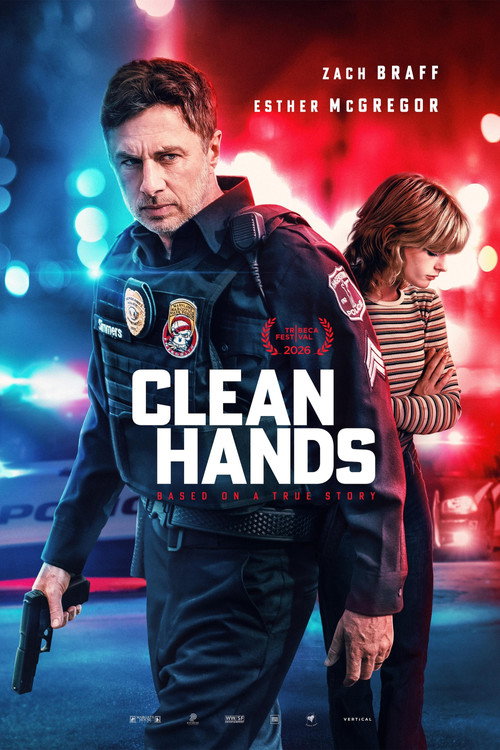
Clean Hands
Kevin's drug enforcement career is driven by genuinely sympathetic goals (cleaning up a trafficking corridor) with an internally consistent ideology — arrest dealers, reduce supply, protect communities. The film shows this well-intentioned plan producing monstrous outcomes: addicts are criminalized instead of treated, and Kevin's certainty in punishment-centered doctrine blinds him to his own daughter's need for compassion and care. The ends-justify-means debate (punishment vs. treatment) is the film's explicit central argument. Kevin's ideology is not corrupt but rather terribly wrong, and his certainty is framed as the danger — all core G1 signals.
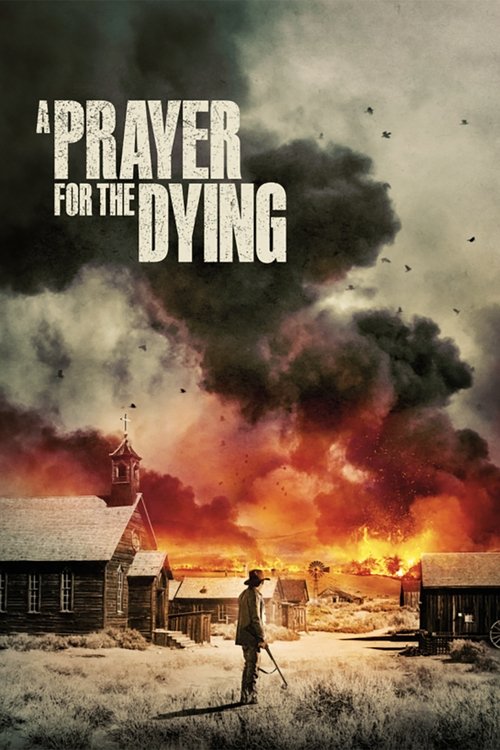
A Prayer for the Dying
Jacob's every action is genuinely well-intentioned — he enforces quarantine to protect public health — yet those actions transform him from beloved pillar into despised authority. The clearest instance is the wildfire triage: saving the healthy by leaving the infected to perish in the flames is a plan whose logic is internally sound but morally monstrous. The community is forced to contend with a man who is technically trying to save them. His certainty about his duty ultimately drives his spiritual collapse, illustrating that conviction of righteousness is itself dangerous.

Verity
Lowen and Jeremy act from internally consistent, sympathetic logic — the manuscript and camera footage make eliminating Verity appear protective and reasonable. The plan 'works' in that the perceived threat is removed, but the letter reveals it may have been a monstrous act committed on false premises. The ending exists entirely to show that certainty of being right is itself dangerous. Three signals are present: motivations are understandable and reasonable given available evidence, the killing is framed as a necessary sacrifice to protect Crew, and the logic was internally coherent yet potentially morally catastrophic.
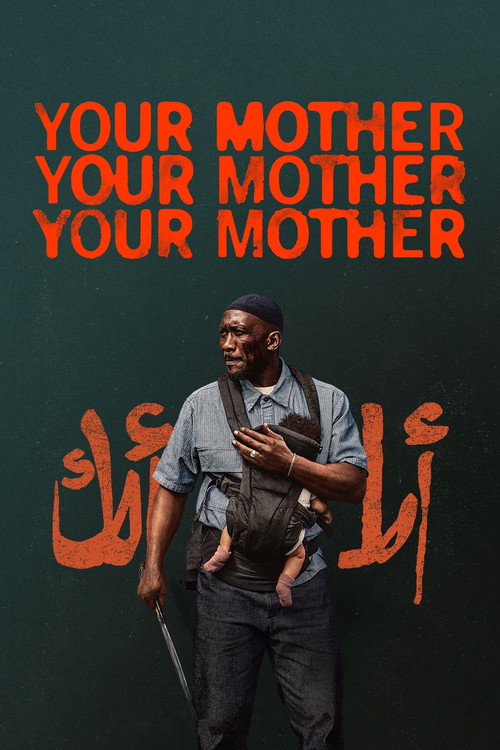
Your Mother Your Mother Your Mother
Both Latif and Hwan Yoon operate with internally coherent moral frameworks that produce harm: Latif's selective-killing code (only the deserving, only blades) is a self-justifying ethical system whose contradictions corrode his faith; Hwan Yoon leads a cult-like extremist movement rooted in genuine religious conviction. The film's explicit thesis — that religion functions as both solace and instrument of harm — maps directly onto G1's core signal that certainty of righteousness is itself the danger. Latif must fight someone (Hwan Yoon) who believes he is saving souls, and the story frames neither man's logic as simply evil.
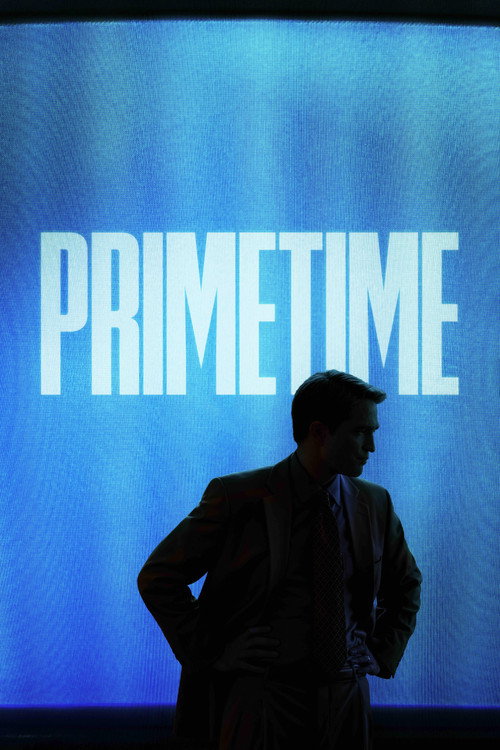
Primetime
The show's stated purpose — catching child predators — is unimpeachably sympathetic, satisfying the 'genuinely good intentions' requirement. Yet the plan produces monstrous outcomes: a man's suicide, all 24 cases dropped because the media-law enforcement fusion tainted the evidence, and the show's cancellation. The film frames this explicitly as a cautionary arc. Signals hit: (1) goals are reasonable and even admirable; (2) 'Decoy Dan' and the entrapment framing put the ends-justify-means debate at the center of the narrative; (3) the home confrontation of Conradt — a tactical team plus cameras — is an atrocity rationalized as necessary spectacle; (4) Hansen's internal logic (ratings + predator-catching) is consistent but leads to a result that destroys the very justice it claimed to serve.
The Idiot(s)
Fyodor sincerely believes gambling-induced ruin and extreme emotional experience are necessary fuel for his art — a sympathetic, internally consistent rationale. The plan arguably 'works' (he writes The Idiot) but at enormous moral cost to Anna. The film's stated central question — 'who truly shapes a literary masterpiece, and at what cost' — is an explicit ends-vs-means debate. Anna is forced to manage and resist the self-destruction of a man who frames his recklessness as a noble artistic imperative.

Bad Apples
Maria's motivation is genuinely sympathetic — she wants a functional, safe classroom — and her plan demonstrably works (staff calmer, students happier). Yet it requires an atrocity (indefinite child kidnapping) justified as a necessary sacrifice for collective well-being. The community's quiet, tacit acceptance enacts the 'ends justify the means' debate without anyone stating it aloud. Maria's internal logic is consistent and even vindicated by outcomes, which is precisely what makes it morally horrifying. The film's explicit satirical thesis — that institutions rationalize outrageous wrongdoing when it serves collective comfort — maps directly onto G1's core warning that certainty of being right is itself the danger.

Avatar Aang: The Last Airbender
The Denied are non-benders who feel like second-class citizens — a structurally sympathetic grievance rooted in real inequality in a bender-dominant world. Yet their plan is to destabilize the peace Team Avatar sacrificed everything to achieve, framing them as antagonists whose logic is internally coherent but morally destructive. Heroes are forced to oppose a group whose core complaint is arguably legitimate, and the staff itself represents a means justified by an understandable end.

Pinocchio: Unstrung
Pinocchio's motivations are entirely sympathetic — he loves James and wants to protect him. His killing spree flows directly from those good intentions, warped by the Cricket's deliberate disinformation. The film explicitly frames this as an interrogation of 'what happens when goodhearted but naive loyalty is weaponised,' meaning the story treats Pinocchio's internal logic as coherent-but-horrifying. All three detect_when conditions are met: sympathetic motivations, monstrous outcomes from a well-meaning plan, and a narrative that presents misplaced certainty as the danger.
Borderline
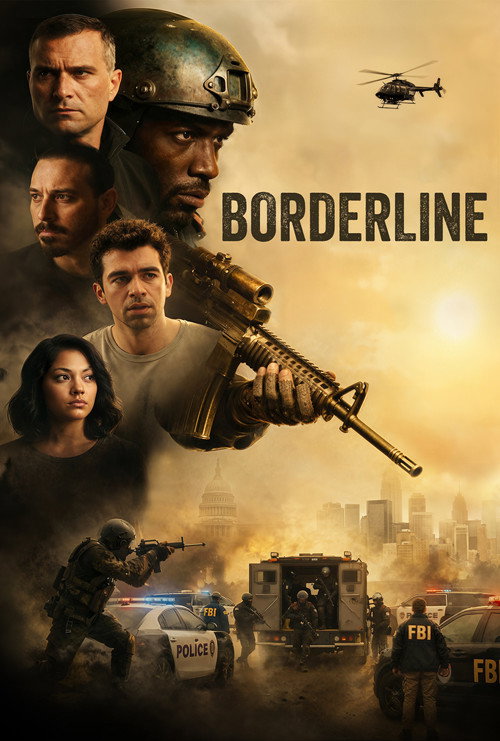
The rogue operatives are explicitly framed as 'true believers' who 'rationalized their crimes as patriotic necessity' and saw themselves as 'secret saviors of the nation' — satisfying the sympathetic-motivation criterion. Their plan (manufacturing gang violence to engineer electoral outcomes) is internally coherent but requires weaponizing human beings as instruments, satisfying the atrocity-as-necessity criterion. The film positions the investigation as a battle against people who think they are saving democracy, and the 'ends justify the means' tension is the moral core of the story. All five signals are present: understandable antagonist goals, atrocities rationalized as sacrifice, implicit ends-vs-means debate, internally consistent but morally horrifying logic, and heroes fighting operatives who believe they are helping.
Red Flag
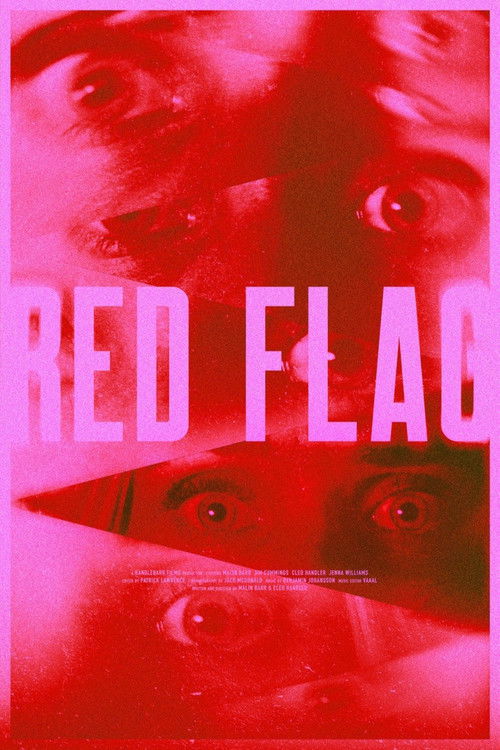
The film explicitly operates as a cautionary tale about how well-intentioned self-protection can lead to monstrous transformation. (1) The protagonist's motivations are deeply sympathetic — trauma-informed hypervigilance after escaping a dysfunctional relationship. (2) Her literal interpretation of 'red flags' is internally consistent logic that leads to frightening outcomes (her paranoia transforms her into a frightening version of herself). (3) The film frames certainty of being right as itself dangerous, blurring rational caution with dangerous paranoia — directly matching G1's core warning that 'the scariest antagonists think they're saving the world.' Supporting signals: her goals are understandable/reasonable (signal 1); the friends' opposing 'love vs. fear' debate mirrors the ends-justify-means tension (signal 3); her paranoid logic is internally consistent yet morally/psychologically horrifying (signal 4).
Leviticus
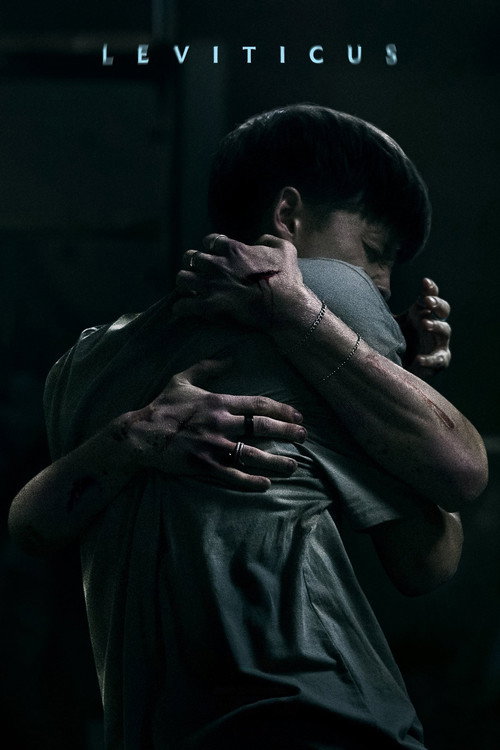
The hardline church community genuinely believes it is saving the boys from demonic sin; the exorcism-style deliverance ceremony is their well-intentioned intervention. That act directly triggers the violent supernatural entity — explicitly framed by the film as an externalization of internalized homophobia and religiously imposed shame. The antagonists' logic is internally consistent within their worldview (casting out sin protects souls), morally horrifying in outcome, and the atrocity (the ceremony) is treated as a necessary sacrifice by the congregation. The boys are then forced to contend with a predator conjured by the community's attempt to help them — the monstrous result of good intentions.
Fjord
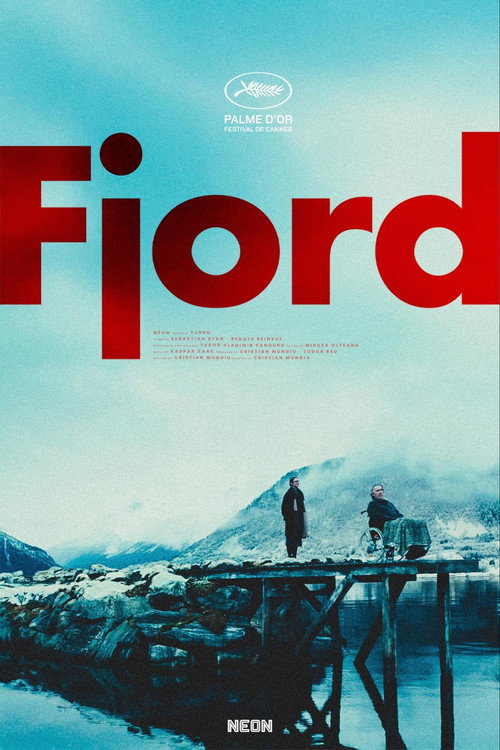
Both the parents (certain their strict religious upbringing is righteous) and Norwegian child services (certain they are protecting children) believe they are doing good. The film frames this as a collision of two well-intentioned parties each causing harm: authorities traumatically remove children in good faith; Mihai's absolute moral certainty alienates his family and escalates diplomatic tensions. Characters explicitly debate ends vs. means throughout the civil trial. The climax turns on whether Mihai — who demands others acknowledge wrongdoing — can hold himself to the same standard, directly foregrounding the danger of self-righteous certainty. The family is forced to fight an institution that is technically trying to protect their own children.
Chum
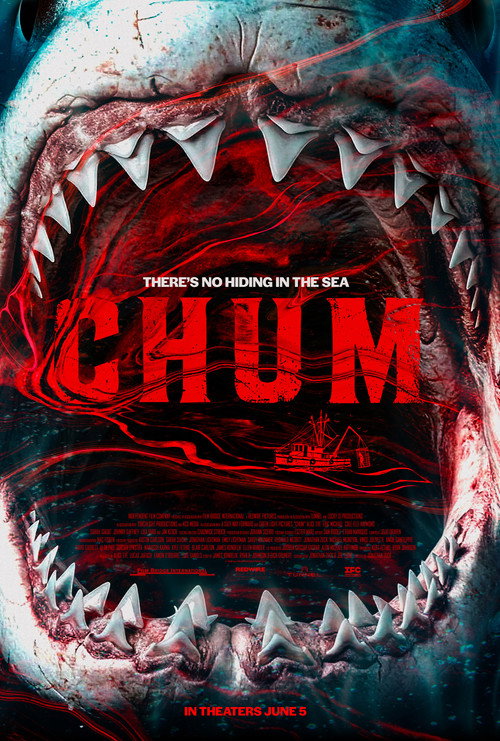
Roy's motivations are fully sympathetic — he lost his wife to the shark and dedicated five years to stopping it from killing again. His plan (use live bait to finally lure and kill the animal) is internally coherent and arguably serves the greater good. Yet it requires horrific moral atrocities: drugging innocents and condemning them to potential death. The survivors are forced to fight someone who is, in his own logic, trying to save future lives. His certainty that the ends justify the means is the source of the horror.
Saccharine
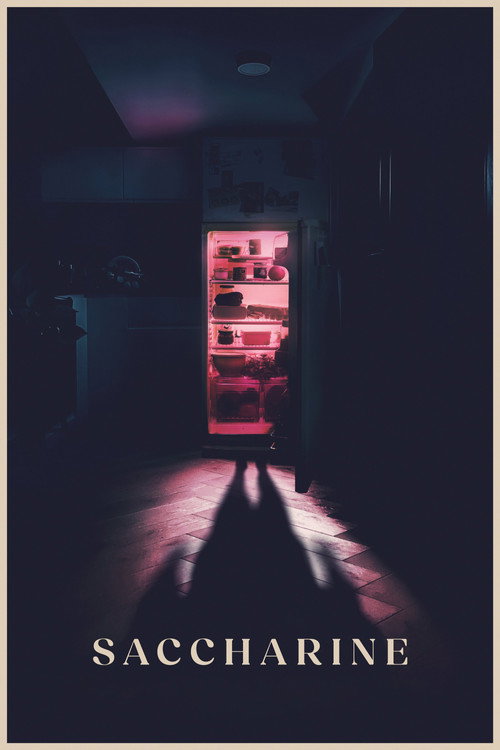
Hana's motivations are genuinely sympathetic — she has a binge eating disorder, deep body image insecurity, and a real desire for connection — making her the well-intentioned actor driving monstrous outcomes. All three core conditions are present: her motivations are relatable and understandable; her plan (manufacture illicit diet pills) functionally achieves its goal (dramatic weight loss) but only by desecrating a corpse; and her absolute certainty that thinness will earn love propels increasingly extreme and self-destructive acts. Three signals are clear: her goals (lose weight, win affection) are reasonable on their face; achieving them requires an atrocity rationalized as private and victimless; and her internal logic — I need to be thin, I need these pills, I'll make them myself — is internally consistent but morally horrifying in execution.
Stolen Kingdom
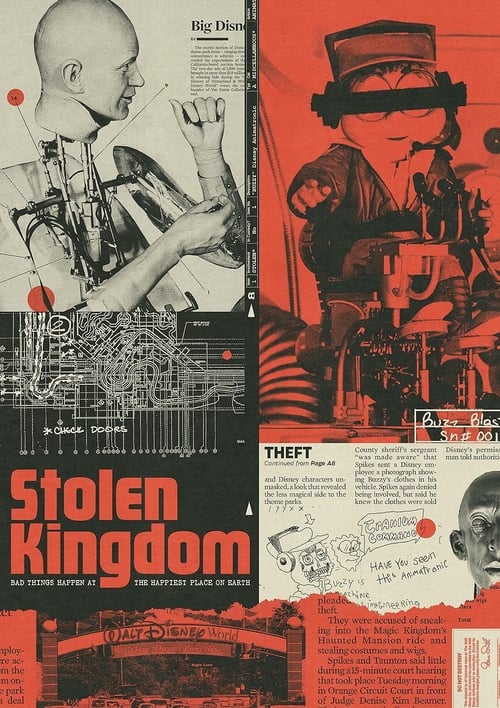
The early urban explorers ('Chief,' 'Hoot') were genuinely motivated by preservation and nostalgia for closing attractions — sympathetic, logical goals. The film explicitly traces how their ethos and playbook were 'adopted and eventually distorted' into a criminal collector subculture, culminating in Spikes' theft of $14,000 in Cranium Command props. Spikes' own logic is internally consistent (a passionate Disney employee acquiring memorabilia he valued) yet leads to serious crime — satisfying the 'villain's logic is internally consistent but morally horrifying' signal. The film also implicitly stages the ends-justify-means debate by examining how preservation ideology was used to rationalize escalating theft. All three core conditions are met: sympathetic original motivations, a preservation 'plan' that worked until it became the justification for theft, and the film's central thesis that the certainty of righteous fandom is itself dangerous.

Obsession
Bear's wish is made from genuine love but overrides Nikki's free will — good intentions with a monstrous moral cost. Possessed Nikki pursues love as her singular goal (understandable) and her logic is internally consistent (do anything to keep Bear) but leads to murder, flaying, and fatal shooting. She explicitly justifies each atrocity as necessary to preserve the relationship. The film's closing irony — every wish technically granted, everyone destroyed — frames the 'certainty of love justifying the wish' as the catastrophe's true engine. Three signals: antagonist goals understandable/reasonable (love), villain logic internally consistent but morally horrifying (kill to keep love), and plan requiring atrocities framed as necessary sacrifices.
Neglected
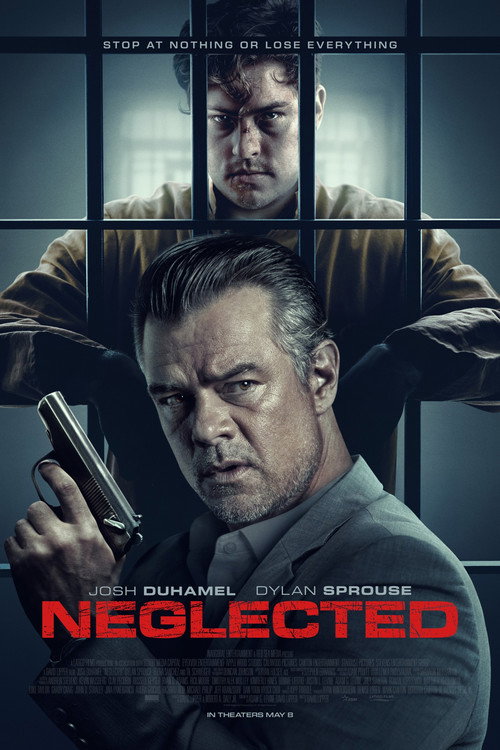
The Kid's motivations are entirely understandable — his family was turned away by the very police officer who later neglected cases involving real victims. His plan (force Shaw to solve those cold cases or his son dies) is internally coherent and achieves its stated goal of moral confrontation. Yet the method — burying an innocent teenager alive — is an atrocity he justifies as the only available remedy. The ends-vs-means debate is explicit: 'Saving one son does not erase the fathers who lost theirs because of you.' The villain's logic is airtight but horrifying, and Shaw is forced to serve someone who is technically pursuing justice.
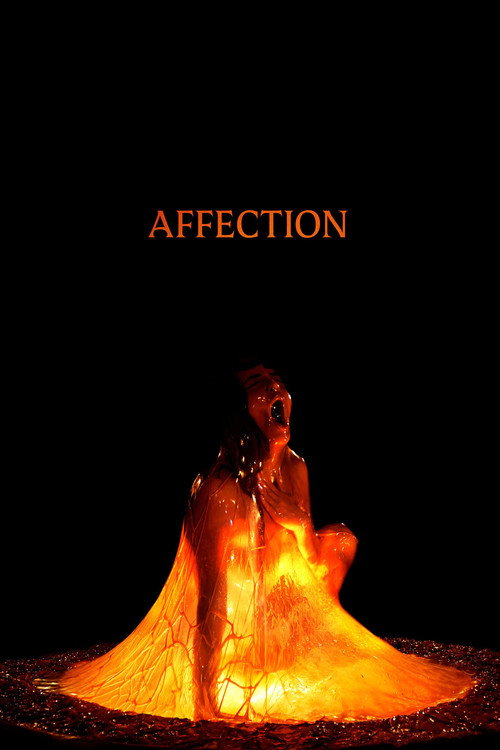
Affection
Bruce's motivation is grief and love for his originally lost wife — sympathetic and emotionally legible. His plan technically succeeds (the technology preserves the target personality), but the moral cost is decades of erasure and imprisonment. His logic is internally consistent (if I can recreate her exactly, it is an act of love) yet morally horrifying. The ambiguous ending — no clear heroes or villains, open questions about what love means — frames his certainty of being right as itself the central danger.
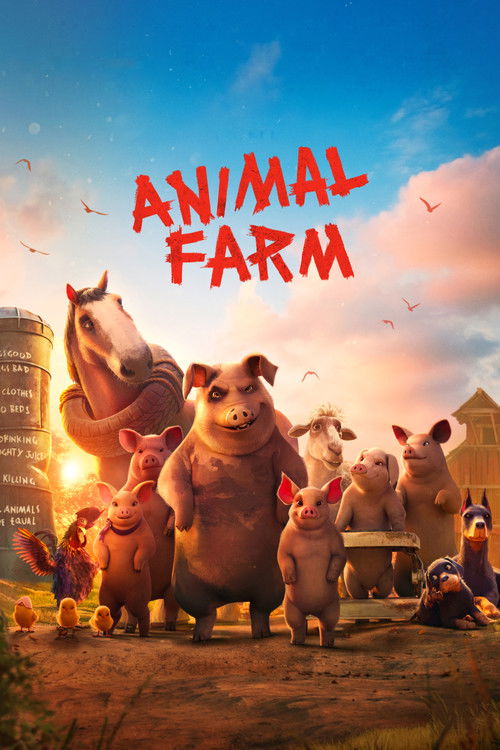
Animal Farm
The revolution starts with a genuinely sympathetic cause — animals exploited by Mr. Jones — and a morally coherent founding principle. Napoleon's subsequent tyranny is continuously rationalized by Squealer, whose propaganda represents exactly the 'internally consistent but morally horrifying' logic signal. The commandments are rewritten to justify each abuse as necessary. The horror of the story — that the liberators became indistinguishable from the oppressors — is the definitive 'good intentions, terrible results' payload.
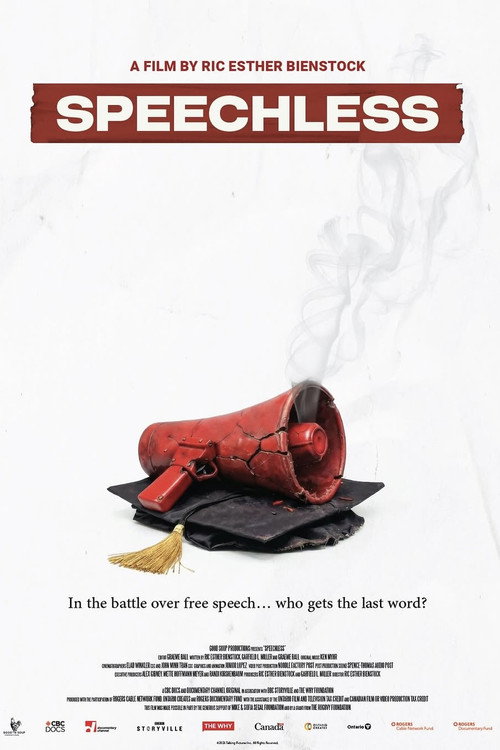
Speechless
Social justice and DEI initiatives—driven by genuinely sympathetic anti-racism and equity goals—produce career destruction, silencing of legitimate inquiry, and institutional upheaval. The documentary explicitly frames this as 'contradictions, blind spots, and unintended consequences on all sides,' showing that moral certainty itself becomes dangerous. Professors face professional ruin from movements whose stated aims are reasonable, and dialogue is refused in the name of justice.

MOBILE SUIT GUNDAM HATHAWAY The Sorcery of Nymph Circe
Hathaway's anti-Federation cause is sympathetically grounded — Federation torture evidence validates his grievances. Yet his method is terrorism: a strike against a civilian-adjacent political conference. Kenneth, framed as his antagonist, is technically defending a legitimate target. Hathaway's psychological collapse mid-battle suggests his certainty is cracking under moral weight. The protagonist is both idealist and perpetrator of atrocity, embodying the trope's core tension.

Omaha
Martin's motivations are genuinely sympathetic — a grieving, impoverished father who loves his children and believes he cannot provide for them. His plan (secretly driving them to Nebraska to surrender them under the Safe Haven Law) is internally logical: it would achieve his stated goal of ensuring they are cared for. But the moral cost — abandoning his own children — is devastating. The film's entire structure withholds this revelation and then 'closes on the emotional and moral weight of that revelation,' framing Martin's unshakable conviction that he was doing the right thing as the source of the story's moral horror. His logic is consistent ('I cannot provide → surrender is love'), the plan technically works, Ella must grapple with a father who acted out of love, and the narrative implicitly interrogates whether ends justify means.
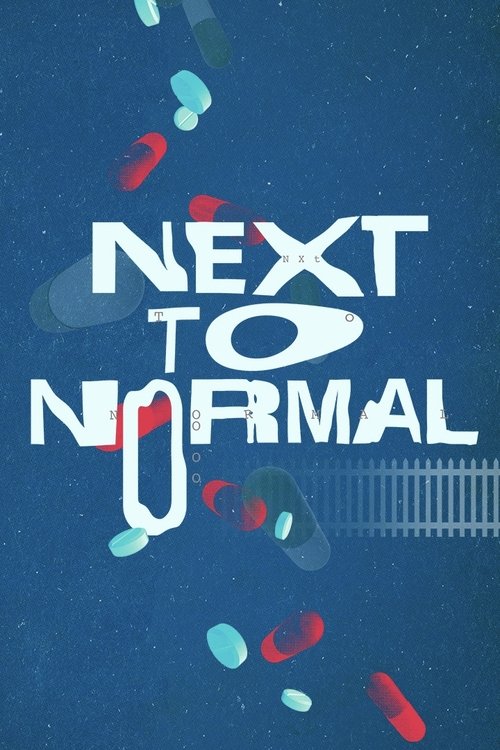
Next to Normal
Multiple characters act with sincere, understandable intentions that produce devastating results. Dan withholds the truth about Gabe 'to protect' Diana, which prevents authentic grief and compounds her disorientation after ECT. Dr. Fine's medication regimen and Dr. Madden's ECT are pursued as legitimate clinical options yet leave Diana emotionally numb and stripped of 19 years of memory respectively. Diana is forced to fight those who are technically trying to help her (persuading her into ECT, hiding Gabe's story). The debate over whether the ends justify the means is explicit in the ECT consent arc.
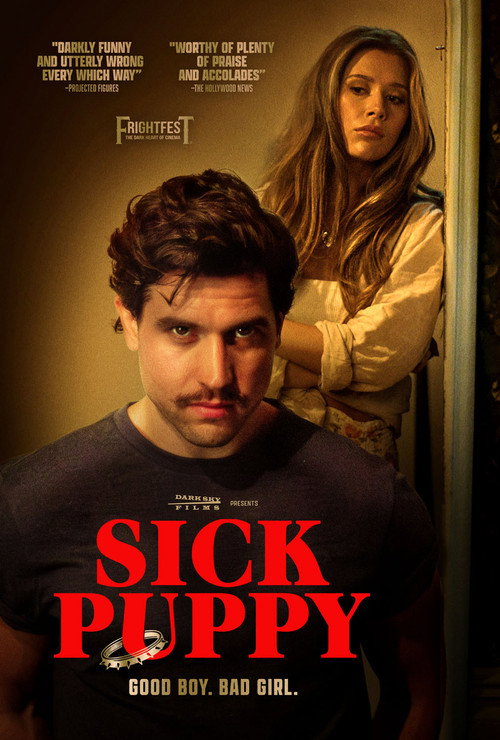
Sick Puppy
Charlie's motivations are genuinely sympathetic — love for her husband and a sincere desire to help him reform — yet her protective plan exacts a horrific moral cost: covering serial murder, committing escalating violence, and descending into sadism. The detect_when criteria are all met: (1) Charlie's love-driven motivations are understandable and even initially noble; (2) her plan to shield John from the law, from Mia, and from his own impulses 'works' instrumentally but requires atrocity after atrocity; (3) the film's character-study framing explicitly traces how her certainty that protecting John is right corrupts her entirely. Signals present: her goals are understandable (love, wishing him reformed); the plan demands atrocities framed as protective necessities; her logic is internally consistent but morally horrifying (veterinary calm-before-euthanasia skill repurposed for violence); and the story implicitly stages an ends-justify-the-means reckoning as her 'protective instincts shade into their own form of sadism.'

To Use a Mountain
The government's plan is internally logical—nuclear waste genuinely must go somewhere—and framed as a public safety necessity. Yet its execution designates 'sacrifice zones' among communities that had no role in producing the waste and no voice in the decision. The film's formal contrast between impassive legal text and human testimony shows how bureaucratic certainty of being right is itself the danger. Communities are forced to resist a program ostensibly solving a real crisis.

Disposable Humanity
The Aktion T4 program is the canonical instance of this trope: Nazi doctors and administrators genuinely believed eugenics was scientific progress and that eliminating 'unworthy life' was a medical and social good (understandable/logical motivations within their framework). The plan required the systematic murder of 300,000+ disabled people, justified as necessary sacrifice for societal improvement. The perpetrators' internal logic was consistent — patient summaries, bureaucratic procedures, medical authority — but morally monstrous. The documentary's central argument is precisely that this certainty of being right was the crucible that made the Holocaust possible, directly illustrating how good intentions (by the perpetrators' own framing) produced the apparatus of mass murder. The film also engages with the Nazi rationale explicitly before dismantling it, fulfilling the 'ends justify the means' debate signal.
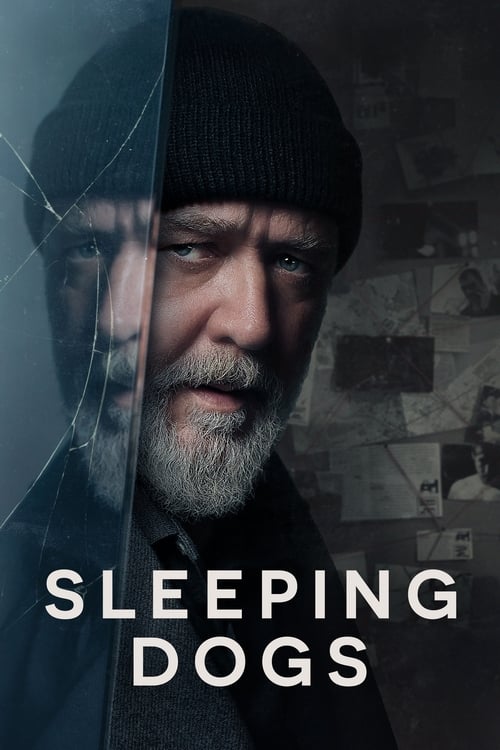
Sleeping Dogs
Jimmy Remis acted from genuinely sympathetic motives — protecting his partner from consequences for killing a man who had exploited Roy's wife. His dying words ('I did everything for him') confirm he believed he was doing right. Yet that well-intentioned loyalty required framing an innocent man and leaving him imprisoned for a decade. The logic is internally consistent and even sympathetic, but the moral cost is monstrous — the defining signature of this trope.

Attack on Titan: THE LAST ATTACK
Eren's goal — eliminating all outside threats to Paradis — is internally coherent and sympathetic given the Eldians' history of persecution. His plan (the Rumbling) would technically succeed. The story shows his certainty of being right is exactly what makes him monstrous. All five signals fire: his logic is understandable, the plan demands mass atrocity as a 'necessary' sacrifice, the alliance explicitly debates ends vs. means, Eren himself accepts responsibility rather than denying the horror, and the heroes are forced to kill someone who believes he is saving his people.
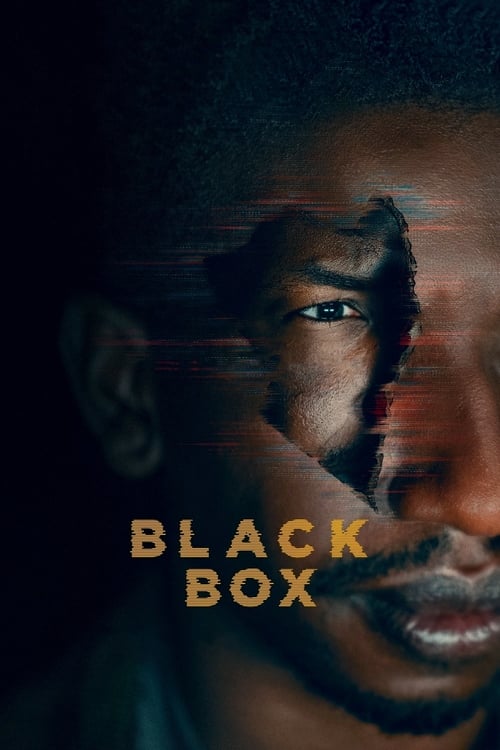
Black Box
Dr. Brooks is motivated by parental grief — a deeply sympathetic impulse — and his technology demonstrably works. His plan to give his son a second life is internally coherent; the horror is purely moral: it requires using an innocent man as a vessel and destroying his identity. Nolan, Ava, and Dr. Yeboah are forced to oppose someone who believes he is performing an act of love. The film frames his certainty as the most dangerous thing about him.
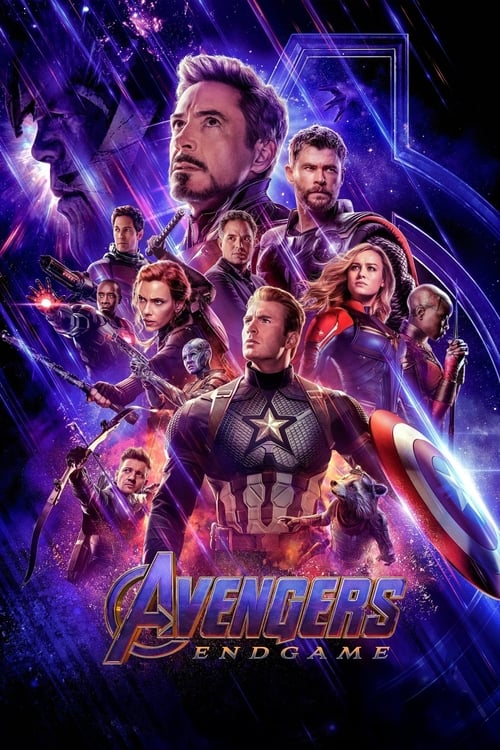
Avengers: Endgame
Thanos has a coherent, internally consistent rationale — halving all life to prevent resource exhaustion — and treats it as an act of mercy; his plan requires mass genocide justified as a necessary sacrifice; heroes must fight someone who sincerely believes he is saving the universe; the film presents his certainty as itself the horror rather than his cruelty.
Leviticus 24:20
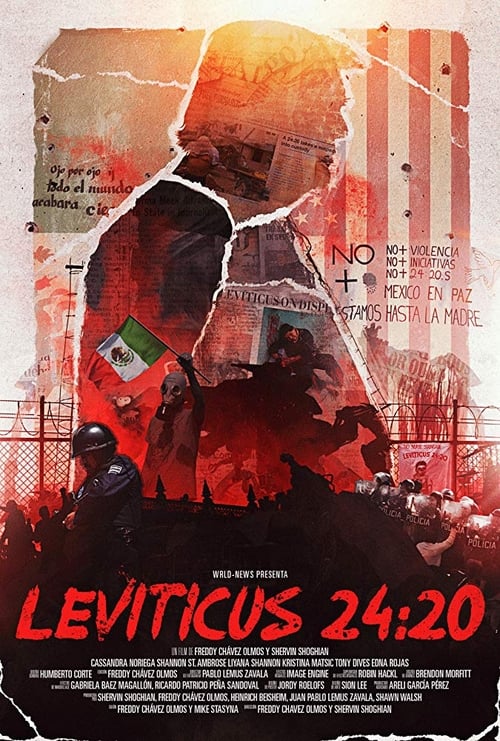
The joint Mexican-American government launches the Leviticus 24:20 Initiative with the genuinely reasonable goal of combating cartel violence and drug trafficking, but the means — deploying autonomous drones that unleash overwhelming (not proportionate) lethal force — produce monstrous collateral harm: children in a classroom are traumatized as blood spatters their windows. The film's explicit thesis is that the program 'erases violence through greater violence,' raising questions about ends-vs-means and the cycle of brutality the program was meant to break. All five signals fire: the government's anti-cartel goal is understandable (1); overwhelming drone force near civilian areas constitutes atrocities justified as necessary (2); the journalist explicitly debates accountability and collateral harm (3); the biblical title subverts proportionality, underscoring that the logic is internally consistent yet morally horrifying (4); Cassandra Noriega as journalist-exposer functions as the 'hero forced to confront someone technically trying to help' (5).
Life Hack
The antagonist 'the Moraler' is explicitly described as 'twistedly self-righteous' and linked to 'anti-establishment hacks,' establishing genuinely sympathetic or ideologically coherent motivations (exposing wrongdoing, fighting establishment corruption). The plan to enforce moral accountability requires atrocities — blackmail and threatened release of private sexual footage — framed as morally necessary by the villain. The villain's logic is internally consistent: they position themselves as a moral arbiter, yet the method is itself predatory. The heroes must hunt down and stop someone who ostensibly sees their own actions as righteous, embodying the 'certainty of being right is dangerous' theme. The name 'the Moraler' literalizes this self-styled moral crusader identity. Signals present: (1) antagonist's goals are anti-establishment and understandable, (2) plan requires privacy-destroying atrocities framed as justified, (3) villain's logic is internally consistent but morally horrifying, (4) heroes are forced to fight someone who believes they are serving justice.

The Hunger Games: Mockingjay - Part 2
Coin's goal — ending Snow's tyranny — is sympathetic and internally logical, but her methods include bombing children and planning a new Hunger Games as retribution. Snow explicitly tells Katniss the airstrike was Coin's doing. The victors are made to vote on the retributive Games, staging a direct debate over ends vs. means. Katniss must kill someone who was technically fighting for liberation.
The Incredibles
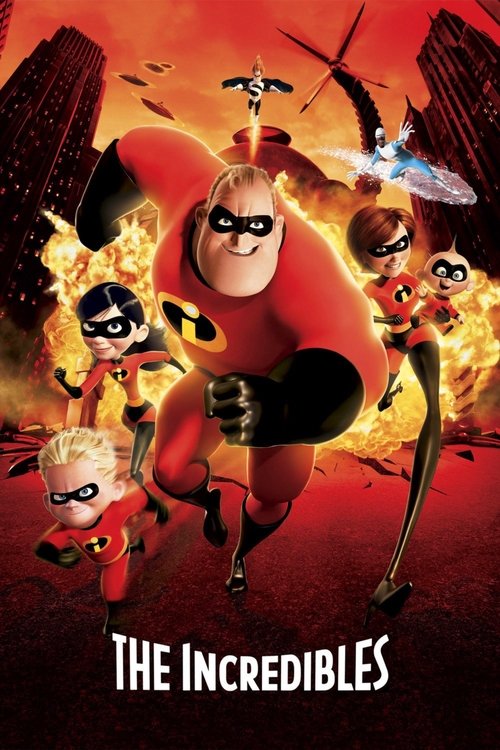
Syndrome's stated end goal—'everyone can be super,' democratizing powered technology so exceptionalism becomes meaningless—is rooted in a genuinely sympathetic childhood rejection and has coherent internal logic. To achieve it he murders retired heroes as development material. His logic is self-consistent but morally horrifying, and he never wavers in his certainty of righteousness.
Hell's Highway: The True Story of Highway Safety Films
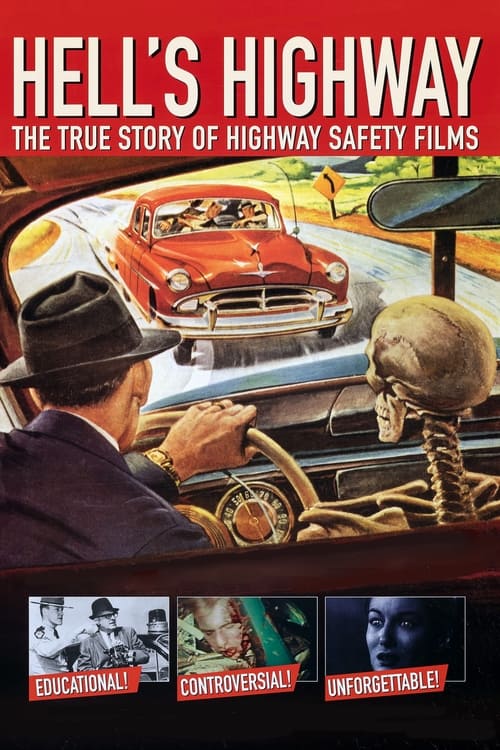
The Highway Safety Foundation's mission is explicitly framed as a collision between genuine public-health idealism and lurid exploitation. Wayman's motivations are sympathetic and logical — reducing traffic fatalities — and the shock-imagery approach has internal coherence as a deterrent strategy. The documentary treats the mass showing of real corpses and severed limbs to teenagers as a horrific moral cost justified as a necessary sacrifice. The central question the film leaves open — whether the films reduced deaths or merely traumatized a generation — is precisely the 'ends justify the means' debate the trope requires. The Foundation's escalating graphic content, criminal controversies (Hoffa, pornography charges), and ultimate collapse further illustrate how certainty of righteous purpose became dangerous. Four signals confirmed: understandable/reasonable goals; atrocities framed as necessary sacrifices; explicit debate over whether the ends justify the means; internally consistent logic (fear → compliance) that is morally horrifying in execution.
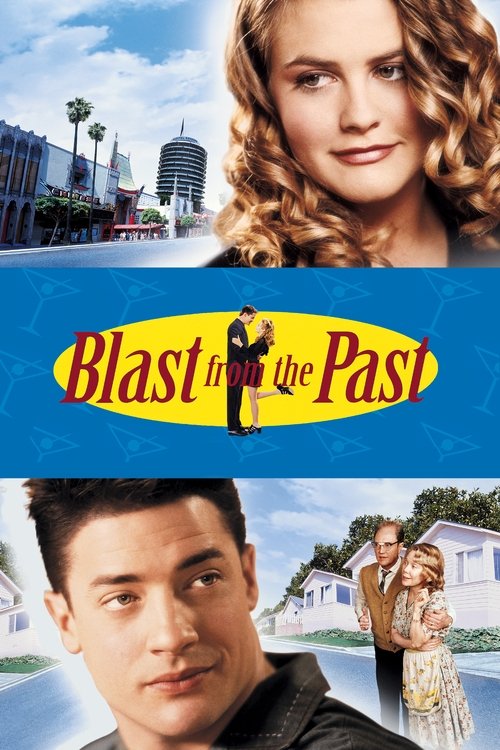
Blast from the Past
Calvin's motivations are entirely sympathetic — fearing nuclear war during the Cuban Missile Crisis was rational in 1962 — and his shelter plan technically worked (the family survived). But the horrific cost is 35 years of imprisonment and Adam growing up with no real world to return to. The story also shows how dangerous certainty is: when Calvin briefly surfaces, he interprets urban decay and a drag queen as post-apocalyptic mutation, and his internally consistent paranoid logic drives him back underground. The comedic coda — Calvin immediately sketching plans for another shelter after learning the truth — confirms his certainty is unshakeable and ongoing, not corrected by outcome.

Princess Mononoke
Eboshi's motivations are explicitly sympathetic: she shelters former prostitutes and people with leprosy, treating them with genuine compassion. Her plan (killing the Forest Spirit to enable Irontown's expansion) is internally consistent — growth protects her community. Yet it causes catastrophic destruction of the sacred forest and triggers the ecological disaster that devastates both the land and her own town. Ashitaka is forced to oppose her despite acknowledging her goodness, embodying the story's thesis that certainty of being right is itself dangerous. Moro's dying vengeance (biting off Eboshi's arm) is the direct cost of her plan.

Neon Genesis Evangelion: Death and Rebirth
SEELE's Human Instrumentality Project is the archetypal 'well-intentioned catastrophe': their goal of merging all human souls into a collective being is framed as preventing a worse, uncontrolled Third Impact. The plan is internally consistent — a controlled apocalypse to forestall a chaotic one — yet requires triggering mass death and the annihilation of individual human existence. SEELE justifies deploying the JSSDF to slaughter Nerv's staff as a necessary sacrifice. The heroes must fight an entity that genuinely believes it is saving humanity, and the villain's logic is never irrational, only morally horrifying. Four signals clearly present: understandable antagonist goals, atrocities rationalized as necessary, internally consistent but monstrous logic, heroes fighting a 'savior'.
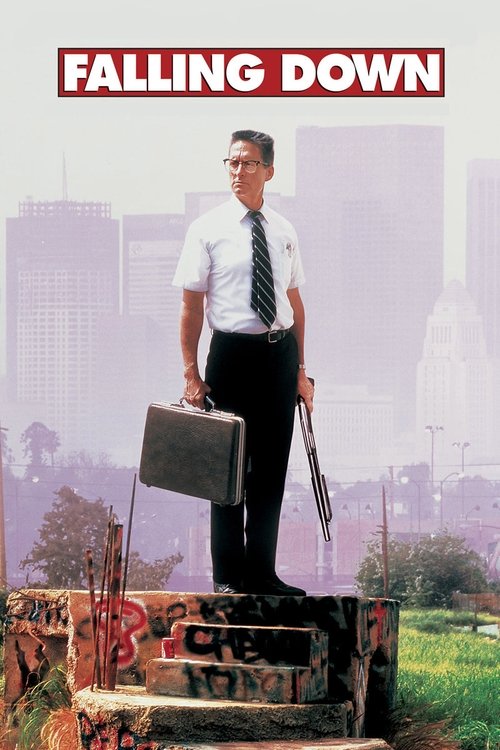
Falling Down
Foster's entire rampage is framed through his own logic as justified self-assertion: inflated prices, gang threats, bureaucratic waste, fast-food false advertising are each treated as provocations he has a right to meet with force. His goals — reaching his daughter's birthday party — are sympathetic. Every violent act is rationalized as proportionate retaliation. Prendergast explicitly acknowledges Foster's grievances as real while refusing to excuse his methods, staging the story's core debate about ends and means. The villain's internal consistency is horrifying precisely because it is coherent: his final 'I'm the bad guy?' confirms he never stopped believing he was the wronged party. Four signals fire: understandable goals, atrocities self-justified as necessary responses, an explicit acknowledgment-vs.-condemnation debate, and a villain whose logic is internally consistent but morally catastrophic.
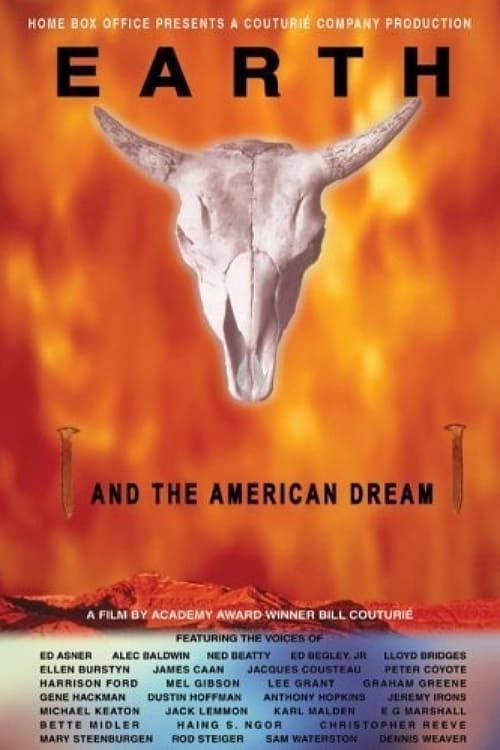
Earth and the American Dream
The film's central argument is that the agents of ecological destruction — settlers, industrialists, politicians — 'understood their actions as progress, enterprise, and the fulfillment of the American Dream' and saw themselves as righteous. Manifest Destiny framed domination of nature and Indigenous peoples as divine right. The horror is precisely that the logic was internally consistent: the scariest antagonists were certain they were building a civilization, not destroying one.
Black Chariot
The Organization's goals — resisting racist police violence — are genuinely sympathetic, but their plan to execute the traitor carries a monstrous moral cost. The drifter forces an explicit debate about whether the ends justify the means, and the narrative shows that the organization's certainty of righteousness leads to outcomes that replicate the violence they oppose, illustrating the core pattern of well-intentioned actors producing terrible results.
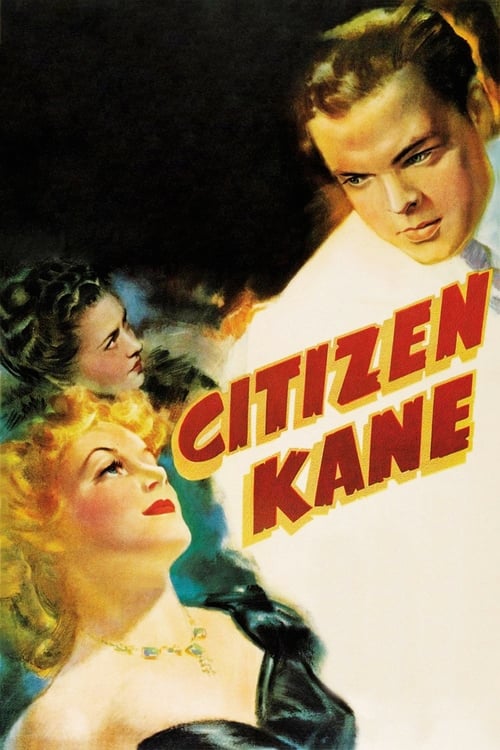
Citizen Kane
Kane genuinely believes he is championing the common man and later advancing Susan's career. His logic is internally consistent — he always frames control as benevolence — but the outcomes are monstrous: a manufactured war, a singer publicly humiliated into a career she despised, and loved ones driven away. Leland directly debates ends-vs.-means with Kane, and Kane's certainty of being right is repeatedly shown as the source of harm rather than its cure.