Movie
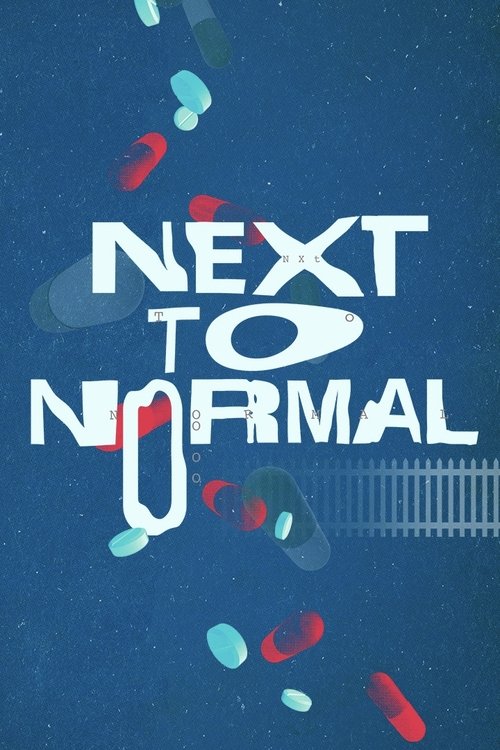
Next to Normal
Narrative tropes
A Parent's Shadow
highThe entire plot turns on the shadow of dead infant Gabe over every family member. Natalie is explicitly a 'replacement child,' her existence and Diana's inability to bond with her are direct inheritances of Gabe's death. The secret of Gabe's death is the central withheld truth driving all conflict. Gabe's ghost shapes how Diana treats Natalie (neglect), how Dan behaves (protective withholding), and how the family is frozen in grief. Resolution comes only when each character begins to define themselves on their own terms: Diana leaves to grieve separately, Dan finally acknowledges the hallucination aloud, and Natalie moves forward by switching on the light.
About this trope: A character must grapple with the legacy of their parents or predecessors — living up to high standards, running from expectations, atoning for inherited sins, or forging their own path.
Good Intentions, Terrible Results
mediumMultiple characters act with sincere, understandable intentions that produce devastating results. Dan withholds the truth about Gabe 'to protect' Diana, which prevents authentic grief and compounds her disorientation after ECT. Dr. Fine's medication regimen and Dr. Madden's ECT are pursued as legitimate clinical options yet leave Diana emotionally numb and stripped of 19 years of memory respectively. Diana is forced to fight those who are technically trying to help her (persuading her into ECT, hiding Gabe's story). The debate over whether the ends justify the means is explicit in the ECT consent arc.
About this trope: A villain — or sometimes a hero — genuinely believes they are doing the right thing, but their well-meaning plan leads to monstrous outcomes. The scariest antagonists think they're saving the world.
Humans Never Give Up
mediumThe musical closes not on triumph but on the decision to persist under objectively bleak circumstances — failed treatments, a suicide attempt, shattered family bonds, irrecoverable memories. The emotional climax is Natalie returning home and switching on a light, and the family collectively choosing to hold onto 'fragile hope.' Diana refuses to stop seeking despite every medical intervention causing harm. Hope is explicitly framed as irrational yet human — the show's final image is moving forward, not winning.
About this trope: Facing impossible odds, humans endure, adapt, and find reasons to keep going. Resilience and refusal to surrender is humanity's defining and most admirable trait.
Cultural messages
The System Is Rigged
mediumThe mental health system — presented as the institution that should protect Diana — repeatedly fails or harms her: Dr. Fine's medication carousel leaves her emotionally numb, and ECT erases 19 years of memory. Working within the system consistently makes things worse. Resolution arrives only when Diana steps outside institutional authority: she confronts Dr. Madden about years of failed treatment and unilaterally decides to stop ECT, choosing self-determination over professional management.
About this message: Institutions meant to protect people — governments, corporations, law enforcement, the justice system — are depicted as corrupt, incompetent, or actively harmful. Heroes must work outside official channels.
Movies that share these tropes






Full plot (spoilers)
Next to Normal follows Diana Goodman, a suburban wife and mother living with severe bipolar disorder, whose untreated delusions center on her teenage son Gabe — a hallucination, as Gabe died at 18 months old from an undiagnosed intestinal blockage. Her husband Dan quietly endures the family's dysfunction, while their daughter Natalie, a driven pianist, struggles under the neglect caused by Diana's illness. Diana visits psychiatrist Dr. Fine, who cycles her through medications that leave her emotionally numb. She flushes her pills at Gabe's urging and falls into crisis. Dan brings her to a new psychiatrist, Dr. Madden, who begins talk therapy. During hypnotherapy Diana admits she had Natalie as a replacement child and was unable to bond with her as an infant. Diana's hallucinations of Gabe intensify; he tells her they can only be reunited if she is dead, and she attempts suicide. She survives. Dr. Madden recommends electroconvulsive therapy as one of the few remaining options. Diana is furious but Dan persuades her, and she undergoes ECT. The treatment erases 19 years of her memories, including Natalie and Gabe. Natalie spirals into substance use and self-destruction, while Dan carefully withholds the truth about Gabe from Diana to protect her. A hallucination of Gabe begins breaking through Diana's amnesia, and Dr. Madden accidentally reveals the existence of the dead son during a follow-up visit. Diana returns home, finds Gabe's music box, and Dan finally recounts the full story of Gabe's death. Diana, however, can only remember Gabe as the teenager she hallucinated, not the infant who died. They argue bitterly. Diana ultimately confronts Dr. Madden about years of failed treatment and decides to stop ECT. She and Natalie share a rare moment of honest connection. Diana then tells Dan that although she loves him, she is leaving — they each need to grieve Gabe separately. After she goes, Dan for the first time acknowledges Gabe's hallucination directly and embraces him, and Gabe is named aloud for the only time in the show. Natalie returns home, finds her father in the dark, and switches on a light. The musical closes with the family and Gabe acknowledging the painful difficulty of moving forward while holding onto fragile hope.
Sources: Wikipedia