Movie
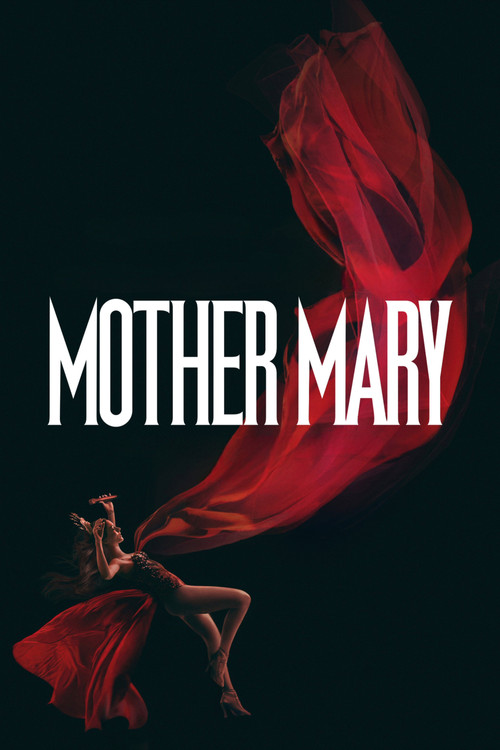
Mother Mary
Cultural messages
Forgiveness Sets You Free
highSam was deeply wronged by Mary's dismissal of her from the inner circle — a wound she carries for fifteen years, described as 'a broken tooth.' The reunion surfaces buried resentments, building to a climactic cathartic moment where Mary offers a 'deeply felt apology' and both women confront their shared pain. The supernatural spirit's expulsion and transformation into the gown literalizes the act of letting go. The story explicitly frames the outcome not as romantic reunion but as 'mutual catharsis,' and both women depart with 'hard-won peace' — forgiveness as liberation rather than reconciliation. Signals present: (1) ongoing suffering from the unresolved wound; (2) a climactic moment of release rather than revenge or further estrangement; (3) forgiveness leading to peace for both parties; (4) the story frames release/catharsis as the harder but superior path over holding on.
About this message: Forgiving — even the unforgivable — is presented as the path to peace and healing. Holding grudges is self-imprisonment; releasing them is liberation.
Movies that share these tropes



Full plot (spoilers)
Mother Mary centers on a legendary pop star known as Mother Mary (Anne Hathaway), who has not performed or recorded since a catastrophic onstage accident fifteen years earlier during a world tour. On the eve of her long-awaited comeback performance, she reaches out to Sam Anselm (Michaela Coel), her estranged former best friend and costume designer, to create a gown for the show. Their reunion is loaded with unresolved tension: the two women were once romantically entangled, and Sam's removal from Mary's inner circle felt less like a professional dismissal and more like a devastating breakup. Sam describes her lingering love for Mary as akin to 'a broken tooth.' Woven through the narrative is a supernatural element: a billowing, blood-red crimson entity that haunts both women. The spirit first manifested for Sam on the night she watched Mary perform without her, representing the shared pain and grief of their fractured bond. The ambiguity around Mary's original accident is deepened when, during a recent performance on an elevated platform, she again encounters the crimson figure and falls, ending up suspended above the crowd by her own costume — leaving open whether the incident was an accident or a deliberate act. As Sam and Mary work together on the dress, long-buried wounds and resentments surface in an emotionally and psychosexually charged atmosphere. The film builds toward a climactic moment in which the two women together draw the red spirit out of Mary's body; it transforms into the blood-red fabric Sam uses to complete the gown. Rather than rekindling their romance, the encounter functions as mutual catharsis: Mary offers Sam a deeply felt apology, and both women confront the pain they have carried. The ending is intentionally ambiguous — director David Lowery has noted that both characters acknowledge they know what they saw but also know it was not real, and both things are simultaneously true. The film closes with the suggestion that Mary and Sam may never see each other again, yet both depart with a measure of hard-won peace.
Sources: Wikipedia (premise only), Screen Rant (ending explained), Web search aggregated review snippets (Variety, Rolling Stone, Deadline, Inverse)