Movie
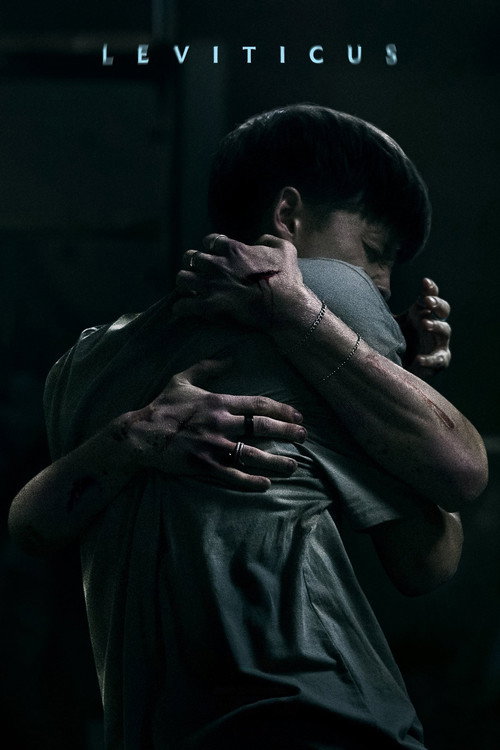
Leviticus
Narrative tropes
Good Intentions, Terrible Results
highThe hardline church community genuinely believes it is saving the boys from demonic sin; the exorcism-style deliverance ceremony is their well-intentioned intervention. That act directly triggers the violent supernatural entity — explicitly framed by the film as an externalization of internalized homophobia and religiously imposed shame. The antagonists' logic is internally consistent within their worldview (casting out sin protects souls), morally horrifying in outcome, and the atrocity (the ceremony) is treated as a necessary sacrifice by the congregation. The boys are then forced to contend with a predator conjured by the community's attempt to help them — the monstrous result of good intentions.
About this trope: A villain — or sometimes a hero — genuinely believes they are doing the right thing, but their well-meaning plan leads to monstrous outcomes. The scariest antagonists think they're saving the world.
Movies that share these tropes





Full plot (spoilers)
Naim (Joe Bird), a quiet and sensitive teenage boy, relocates with his grief-stricken single mother (Mia Wasikowska) to a dreary industrial town in Victoria, Australia, where the community revolves around a hardline Christian church. At school, Naim meets Ryan (Stacy Clausen), a handsome and rough-edged classmate, and the two develop a secret romance, meeting in an abandoned mill and sharing the tender, charged intensity of first love. Their relationship is forced underground by the community's hostility toward queerness. When Naim discovers Ryan with the pastor's son (Jeremy Blewitt), he reacts impulsively and reports the encounter to church authorities. This sets off a public exorcism-style deliverance ceremony designed to rid the boys of what the congregation views as demonic sin. In the aftermath of the ritual, a violent supernatural entity begins stalking both boys — an entity that takes the form of the person each one desires most, meaning they each see the other as the threat. Unable to distinguish the real person they love from the malevolent specter wearing their face, Naim and Ryan grow paranoid and distrustful of each other. A pivotal line captures the horror's logic: 'They want us to be scared of each other.' The film frames the supernatural force as an externalization of internalized homophobia and religiously imposed shame. The conclusion is ambiguous and deliberately unresolved — bleak yet strangely freeing — suggesting that the only escape from the community and its violence is to abandon it entirely rather than seek reconciliation.
Sources: IndieWire, Hollywood Reporter, Sundance.org, Web search (Wikipedia, IMDb metadata)