Cultural message · Existential & Structural
You Are What You Buy
What it is
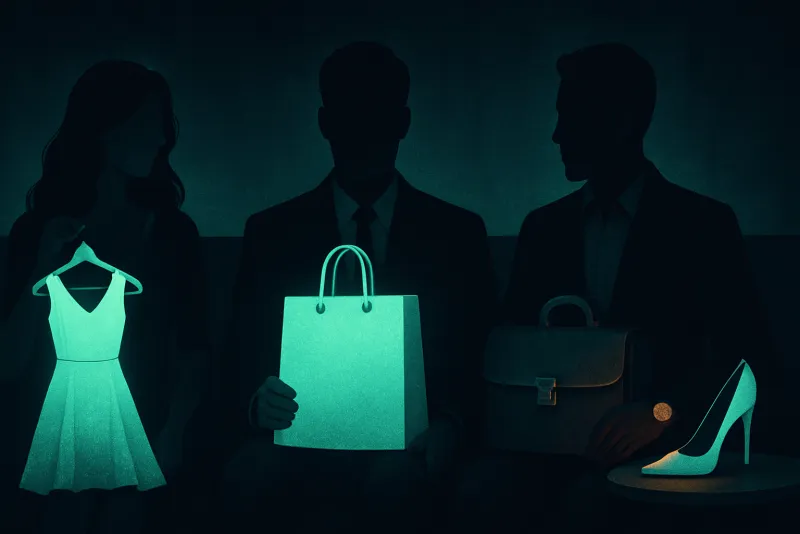
Characters are defined by possessions. Material goods signal identity, status, and personality. The lifestyle of consumption is glamorized.
How to spot it
The plot contains ALL of: (1) significant screen time or narrative weight given to material possessions, (2) possessions functioning as expressions of character identity, (3) the acquisition or display of goods framed as aspirational.
- Luxury goods, vehicles, gadgets, or fashion are prominently featured as character traits
- Upgrading possessions marks personal growth or status change
- Product brands are recognizable and aspirationally framed
- A character's identity is inseparable from what they own or wear
- The story does not critique materialism — it celebrates or normalizes it
Classic examples
James Bond (gadgets, cars, watches), Iron Man (suits), The Devil Wears Prada, Sex and the City, any franchise with heavy branded product placement
Movies pushing this message (4)

You Just Had to Be There
The film's subjects define their entire identity around Nintendo brand fandom, camping for a month solely to acquire the Switch at launch. The Nintendo brand and its hardware are aspirationally framed throughout as the organizing principle of a celebrated subculture. Subjects' identities are inseparable from Nintendo ownership and community membership, the gadget (Switch) is the central narrative object, and the film presents this consumer devotion admiringly with no critique of the materialism underlying it.
Furious 7
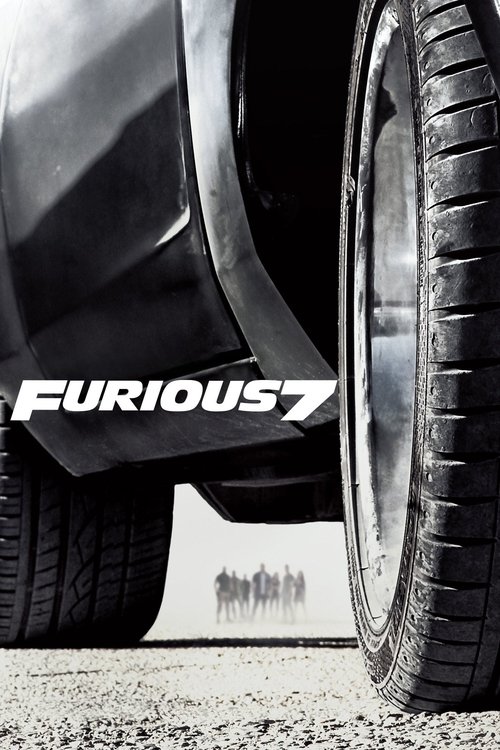
Cars function as identity throughout: Dom's Dodge Charger is inseparable from who he is as a character and features in the climactic sacrifice. The Abu Dhabi sequence centers on stealing a rare Lykan HyperSport supercar at a billionaire's party, with the vehicle treated aspirationally. Brand-specific vehicles are glamorized and central to characters' self-expression. The film celebrates car culture and materialism without critique.
The Fast and the Furious
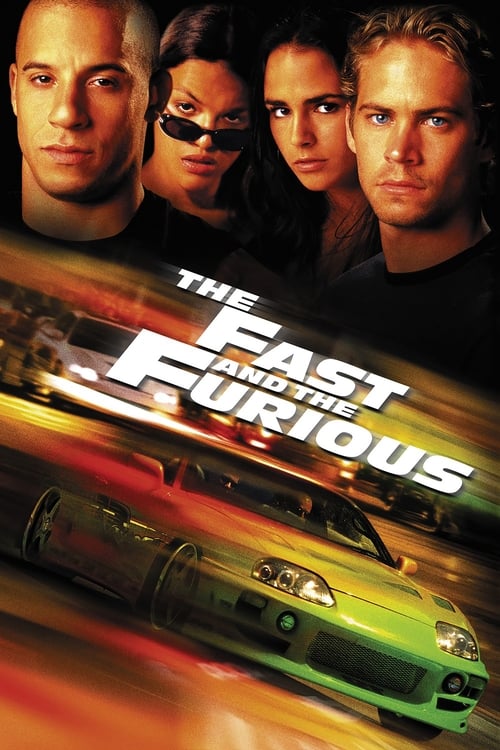
Specific car makes and models are used as character shorthand throughout — Dom's Charger signals heritage and power, Brian's Supra signals earned status and loyalty. Building the Supra to repay a debt marks Brian's integration into the crew. The 'ten-second car' functions as currency, identity, and emotional bond. Brands are aspirationally framed and the film never critiques this materialism.
American Psycho
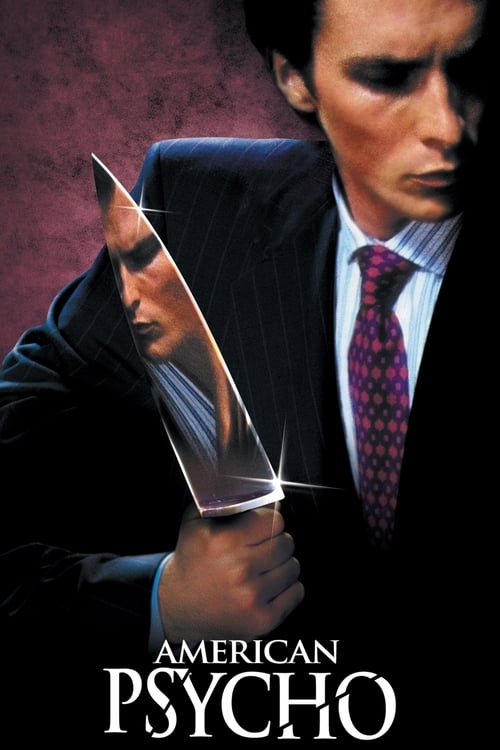
Possessions are the primary language of identity throughout: Bateman and his colleagues compete obsessively over business cards, designer suits, restaurant reservations, and brand recognition. A 'superior' business card is so identity-threatening that it triggers a murder. The Huey Lewis monologue functions as cultural-capital performance. Bateman's entire social persona is constructed through what he owns and consumes. Luxury goods and recognizable brands are treated as aspirational within the characters' world even as the film satirizes them — all three detect-when conditions are met, with signals matching on: possessions-as-character-traits, recognizable aspirational brands, identity inseparable from ownership, and status marked by competitive acquisition.