Cultural message filter
Movies with the "Humanity Must Unite" message
Every movie in our catalog that pushes the Humanity Must Unite cultural message. A shared external threat forces divided groups to set aside differences and cooperate. Unity across lines of division is both necessary for survival and morally uplifting.
35 movies push this message

Monster Mia
Humans and monsters are the archetypal divided groups in this story, and Van Vlad's scheme — which threatens both Primrose's human population and the monster school's status quo — becomes the shared external threat that forces cooperation. All three core elements are present: previously divided groups (Mia as human, her monster classmates), a threat neither side can defeat alone, and cooperation as the explicit mechanism of victory. Signals: human and monster characters put aside their fundamental difference to team up; victory against Van Vlad is only possible through Mia and her classmates acting together; the shared threat (mass forced transformation of Primrose) is far larger than any human-vs-monster dispute; Mia and former-strangers-turned-allies fight side by side in the climax.

Spider Island
The influencers arrive as a self-promotional, competitive group and must explicitly 'set aside their self-promotional instincts and cooperate' against the spider threat — a textbook unity-against-shared-threat arc. The spider horde is framed as a threat no individual can defeat alone, making cooperation the survival mechanism, and former rivals fighting side by side is the stated character arc.
The Brink of War
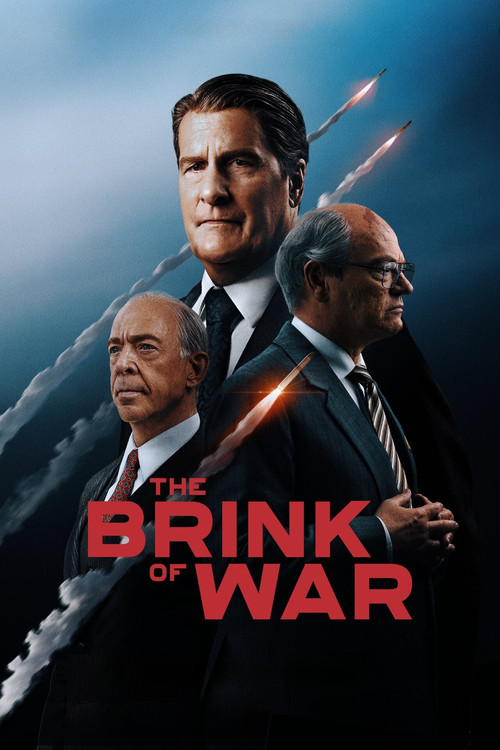
The US and USSR — the archetypal Cold War rivals — convene to address mutual nuclear annihilation, a shared existential threat neither superpower can escape unilaterally. All three detect_when criteria are met: (1) the two nations are deeply divided ideologically and militarily, (2) the shared threat (nuclear destruction) is framed as larger than any Cold War rivalry, and (3) bilateral cooperation — the dialogue itself — is the mechanism that catalyzes the eventual INF Treaty. Four signals fire clearly: rival factions set aside conflict (summit convened despite Cold War tensions), victory is impossible without both parties (disarmament requires mutual agreement), the shared threat is explicitly larger than any internal dispute (the film frames nuclear abolition as superseding ideological differences), and the two former adversaries negotiate side-by-side in the climax. A fifth signal — a speech about unity — is present in spirit through the 10.5 hours of direct dialogue and Gorbachev's 'Shakespearean passions' framing.

Haunted Heist
The four friends arrive estranged and carrying 'personal tensions,' but the demonic ghost threat forces them to 'set aside their grievances and work together' — this is the explicit mechanism of survival and resolution. All core conditions met: previously divided group, a shared external threat neither could survive alone, and cross-group cooperation as the path to escape. Signals confirmed: former estranged individuals shelve their conflict, the supernatural threat is categorically larger than their internal disputes, cooperation is framed as necessary (not optional), and they fight side-by-side in the climax.

The Floaters
Nomi and Mara's fractured friendship and the Floaters' internal conflicts are the internal divisions; Camp Barak's high-stakes challenge (with camp survival as the prize) is the shared external threat. Victory is impossible without resolving both: Nomi and Mara must reconcile, and the Floaters must resolve their conflicts to perform together. The climax is former adversaries cooperating to face an outside rival.

Bleach: Thousand-Year Blood War - The Calamity
The Thirteen Court Guard Squads (Shinigami) explicitly ally with 'remaining allied Quincies' — historically opposing factions — to mount a joint assault on the Royal Palace. The shared existential threat (collapse of all three worlds) is larger than any prior factional conflict. Victory is framed as requiring cooperation from all surviving forces; former enemies march side by side toward the climax.

Minions & Monsters
Three previously divided factions — James's splinter group, Dick's exiled tribe, and the alien robot Dort — must cooperate to stop Irene. Dort explicitly overcomes his own cowardice to join the fight in his spacecraft, making victory impossible without him. Former enemies fight side by side in the climax; the shared existential threat (monsters ruling Earth) is explicitly larger than any internal Minion dispute.

No Country for Mothers
The film's entire argument is built on uniting divided groups against a shared threat. The 'girl boss' vs. 'trad wife' split is the rival-faction divide; the shared threat is the near-total absence of family-support infrastructure. Saujani explicitly calls mothers to set aside culture-war differences and organize around common material demands. The culture-war framing is portrayed as a distraction obscuring the real (larger) threat. The resolution is enacted through over 2,500 mothers from across socioeconomic and ideological lines credited as associate producers — former 'opponents' acting in concert.

Stop! That! Train!
The Stormaganza disaster is a shared external threat no single faction can handle alone. The plot explicitly requires Tess and DeeDee to 'bridge the class divide and convince the disdainful first-class crew to cooperate' — cooperation across rival groups is the stated mechanism of survival. The President is also rallied into the coalition, broadening the unity theme. The resolution is described as 'the unlikely coalition' of former adversaries working together to stop the train, with victory framed as impossible without that cross-faction cooperation.
Mortal Kombat II
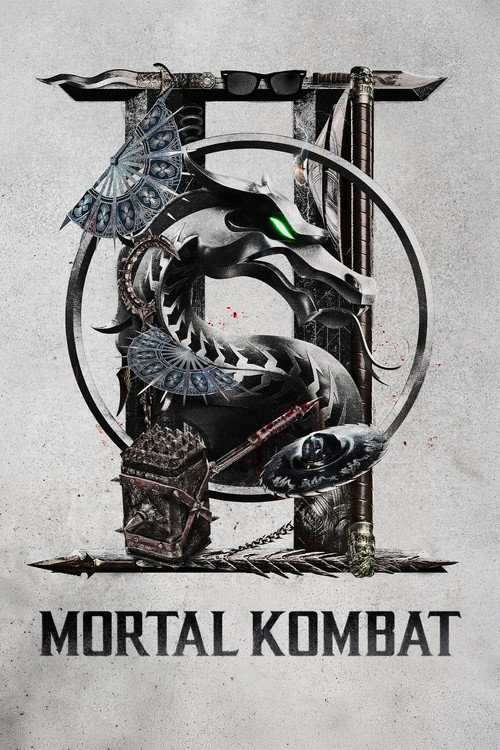
Earthrealm's assembled champions — described as needing to suppress internal rivalries — must fight cohesively to stop Shao Kahn's conquest. The plot explicitly names this as a precondition for victory. The shared threat (interdimensional invasion, extinction of Earth) dwarfs any individual conflict among fighters. Kitana crossing from Outworld to fight alongside Earthrealm further reinforces cooperation across factional lines.

Swapped
Pookoos and Javans are longstanding rival factions with inherited enmity. A sinister threat to the Valley itself — larger than any inter-species grievance — forces Ollie and Ivy to cooperate. Victory against the broader threat is explicitly impossible without cross-species partnership. Former enemies ultimately fight side by side, with their cooperation framed as the mechanism of resolution.
Deep Water
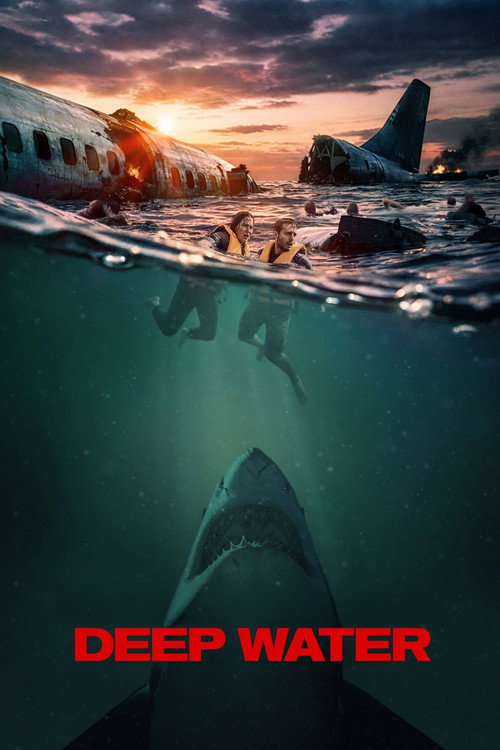
Survivors board as fractured strangers — a resentful blended family, a bellicose loner, romantic rivals — and the plot explicitly requires them to overcome personal conflicts and group differences to coordinate rescue. The shark threat and rescue logistics cannot be addressed by any individual alone, making cooperation the survival mechanism.

The Devil Wears Prada 2
Three previously divided women — Miranda (who dominated both Andy and Emily), Emily (now a rival executive), and Andy (who has damaging leverage over Miranda) — must set aside their fraught power dynamics to broker an alliance against a shared external threat: Runway's financial collapse and an oligarch's bid to acquire it outright. Each controls a resource the others need (Emily holds the advertising funding, Miranda the institutional legacy, Andy the choice between exposé and cooperation), making cooperation the only viable path to victory. The film's central question is explicitly whether they can reach this alliance without any surrendering her power — a classic divided-factions-against-shared-threat structure resolved through unity.

Over Your Dead Body
Dan and Lisa arrive as active enemies with lethal plans against each other — the clearest possible prior conflict. The escaped convicts are a shared external threat neither could survive alone, forcing them to set aside their mutual murder schemes. They fight side by side using improvised weapons; cooperation is the direct and only mechanism of survival. The shared threat is explicitly larger than any marital grievance, and former enemies are literally fighting together in the climax.

Desert Warrior
The tribes are explicitly described as 'warring, distrustful' before Hind's campaign. She travels the peninsula delivering a unity speech to each leader. Victory at Dhu Qar is impossible without the coalition — no single tribe could face the Sassanid army alone. Former rivals fight side by side in the climax, and the shared imperial threat is framed as larger than any inter-tribal dispute.

No Ordinary Heist
Richard and Barry intensely dislike each other but are forced to set aside their antagonism when criminals kidnap their families. The shared threat is explicitly larger than any workplace grievance; neither man could manage the internal heist operation alone given their separate roles (manager vs. security guard). They work side by side through the operation, and their bond is explicitly transformed by the cooperation. Four signals fire: rivals put aside conflict, victory impossible without both, shared threat dwarfs internal dispute, and former antagonists act together in the climax.

Project Hail Mary
Two species from entirely different star systems — humans and Eridians — face the same existential astrophage threat and cannot solve it alone. Grace and Rocky, representing their respective civilizations, set aside vast biological and communicative differences to cooperate. Victory for both worlds is impossible without their cross-species partnership.

Everybody to Kenmure Street
Core pattern largely satisfied: the protest draws together strangers across ethnic and social lines in one of Scotland's most diverse neighbourhoods — not prior rivals but genuinely unconnected groups — around a shared external threat no individual could counter alone. Cooperation is the explicit mechanism of release. Signals: the rallying cry 'Everybody to Kenmure Street' functions as the unity speech; victory is impossible without the critical mass of 2,500 people; the shared threat (state enforcement) eclipses any internal differences; and diverse strangers take on coordinated roles spontaneously. The 'former enemies' signal is absent, keeping the count at 3.
Who Moves America
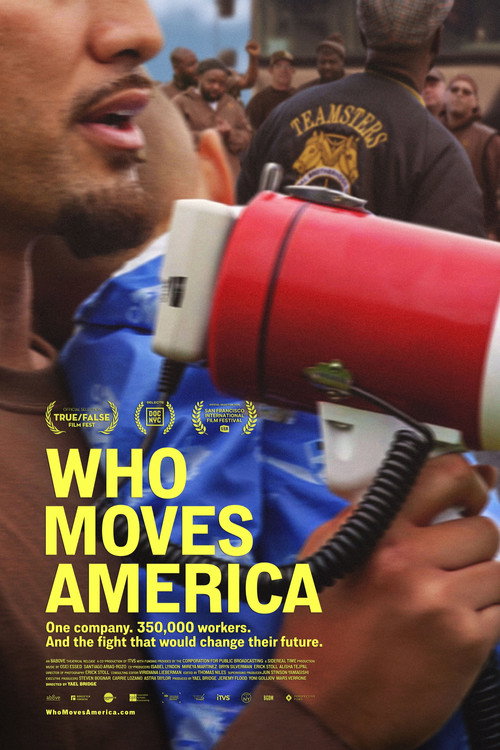
The film explicitly identifies the full-timer/part-timer divide as the central internal challenge to organizing. Previously divided workers (by classification, region, and generation) must unify against the shared threat of UPS corporate power. The grassroots solidarity-building effort is the mechanism of victory, and union meetings function as the unity-speech moments. Victory is explicitly framed as impossible without cooperation across these divisions.

Panda Plan: The Magical Tribe
Fierce rivalries among tribal factions — a capricious wind-wielding leader, warrior Qiang Shan, and Prince Tu Lu — are the ongoing obstacle. Jackie must navigate these competing agendas and guide the factions toward solidarity. Unity and shared compassion are the necessary condition for the storm to be dispelled; no single faction could have averted the disaster alone. Former rivals must cooperate for the resolution to occur.
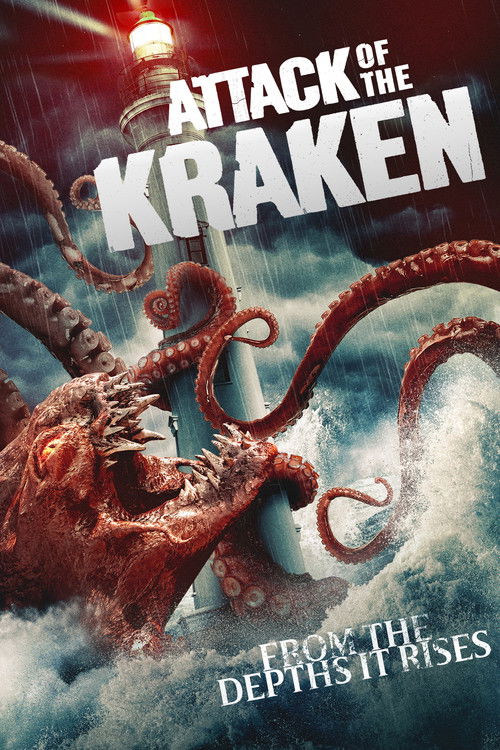
Attack of the Kraken
Survivors carrying 'deep personal rivalries and traumatic histories' must set aside internal conflict to face a shared threat no single party can defeat. They unite with the lighthouse keeper and his daughter — outsiders with complementary knowledge — forming a coalition of former adversaries fighting side by side in the climax. Cooperation is explicitly the mechanism of survival.

Hanging by a Wire
Shahib Khan (local community member) and Ali Swati (army-deployed bodybuilder/zipliner) come from very different backgrounds and are explicitly driven partly by competitive desires for recognition — they are divided figures who must nonetheless cooperate. No single approach or party can solve the rescue alone; an array of techniques and ultimately ordinary community members from across the assembled crowd prove collectively decisive. Victory is structurally impossible without cross-group collaboration.

SIX: The Musical Live!
The six queens begin as rivals competing over who suffered most under Henry. Catherine Parr's speech explicitly rejects the competition and calls for collective solidarity — the shared 'threat' being the reductive historical narrative that erases their individual identities. No single queen can reframe history alone; the resolution (the closing number and encore medley) requires all six performing together as a united group. Former competitors set aside their dispute and stand side by side in the climax.

Louder Than Guns
The film's entire premise centers on uniting polarized factions (gun owners vs. gun-control advocates) around a shared threat (gun violence, school shootings) that neither side can address alone. Rival factions put aside conflict through 'radical listening'; the film explicitly frames the shared goal of protecting children as larger than the political divide; cooperation across difference is the mechanism of progress; and formerly hostile crowds (gun-owning audiences) literally stand and applaud alongside those who came for the gun-safety message.
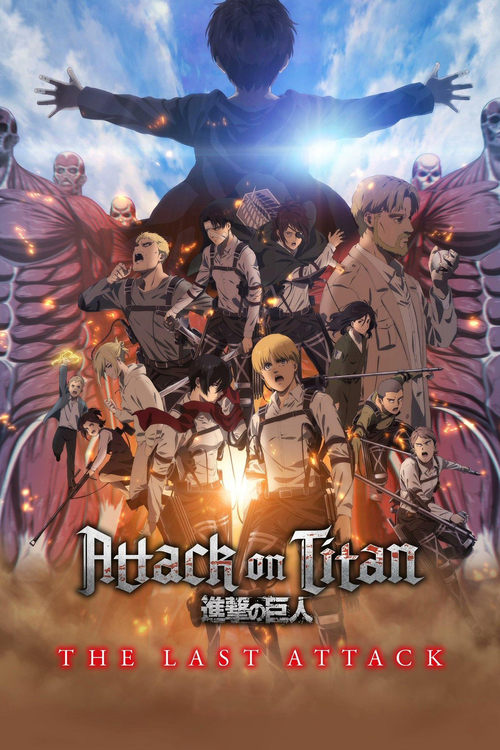
Attack on Titan: THE LAST ATTACK
The entire climactic battle depends on a coalition of formerly mortal enemies — Paradisian Survey Corps soldiers and Marleyan Warriors (Reiner, Annie) — setting aside their conflict to stop the Rumbling. No single faction could survive the Wall Titans alone. Former enemies fight side by side in the climax, the shared threat dwarfs every prior grievance, and the coalition's cooperation is the literal mechanism of victory.

DC League of Super-Pets
Krypto (lone superpowered dog, jealous and reluctant) and the shelter animals (distrustful strangers with no prior bond) must set aside their differences after Krypto is depowered and Superman is captured. No single member could win alone — Krypto lacks powers, the shelter animals lack experience. They cooperate across their divisions: the shelter pets free the Justice League while Krypto intercepts Lulu, and Ace shields Krypto from death. The climax explicitly requires all of them acting together, and the shared threat (Lulu's army, the captured League) dwarfs any internal tensions.
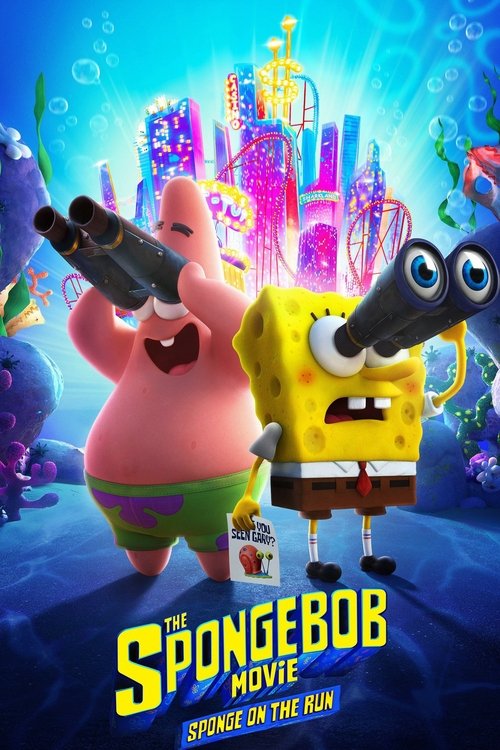
The SpongeBob Movie: Sponge on the Run
Plankton—SpongeBob's scheming arch-enemy—sets aside his rivalry and joins Krabs (his business nemesis), Squidward, and Sandy on the rescue mission; the group's collective testimonies and the ensuing musical distraction are only possible through their combined effort; former enemies fight side by side against a threat (Poseidon's power and SpongeBob's execution) that none could face alone.

Avengers: Endgame
Previously separate factions — Avengers, sorcerers, Wakandans, Asgardians, Guardians of the Galaxy — unite against a single threat none could face alone; Doctor Strange's portal arrival is the visual embodiment of all groups converging; former rivals and one-time antagonists (e.g., Nebula) fight side by side; victory is explicitly impossible without all restored forces arriving together.

Jumanji: Welcome to the Jungle
The four students are drawn from mutually exclusive social cliques and begin as strangers or estranged (Spencer and Fridge had drifted apart). The threat — Van Pelt's mercenaries, the game's dangers, and limited shared lives — cannot be defeated by any one avatar alone; each has specific strengths and fatal weaknesses that make cooperation mandatory. Victory requires all five players contributing. Former rivals Spencer and Fridge reconcile through the shared ordeal, and the shared threat (escape the game or die) is explicitly larger than any individual or social grievance.

Percy Jackson: Sea of Monsters
Percy and Clarisse begin as rivals — she wins the camp competition and is awarded the official quest he is denied. Inside Charybdis, they must cooperate to ignite the monster's stomach; neither could escape alone. On Polyphemus's island, all five characters (including former antagonist Clarisse) work in concert to retrieve the Fleece. Victory at each climactic obstacle requires setting aside the rivalry and pooling their different abilities.

Jimmy Neutron: Boy Genius
Jimmy rallies all the children of Retroville — including his rival Cindy, who antagonizes him throughout — around the shared threat of the Yolkians. The makeshift fleet requires every child working together; no single group could pull it off. Former antagonists (Jimmy and Cindy) fight side by side, and the climax explicitly depends on unified cooperation across prior divisions.

Double Trouble
The two brothers are explicitly framed as divided opposites (criminal vs. by-the-book cop) forced together by a shared external threat — Chamberlain's global syndicate — that neither could face alone. Their individual skill sets (street cunning vs. law enforcement expertise) are only sufficient in combination. The brothers set aside their fundamental conflict in values and temperament, and cooperative action is the mechanism of victory. The shared threat is presented as larger than any of their internal differences.

The Transformers: The Movie
The Junkions begin as hostile attackers and are pacified mid-battle to become allies; their ships are the mechanism by which the Autobots reach Cybertron — making cooperation a literal plot requirement; former enemies fight side by side in the climactic assault on Unicron; the shared threat (Unicron consuming moons and Cybertron) dwarfs any internal dispute.

White Nights
Kolya and Raymond are explicitly divided by race, culture, and opposite ideological journeys (one defected West, one East), yet unite against the shared threat of the KGB/Soviet state. Their cooperation is the direct mechanism of escape — Raymond distracts Chaiko while Kolya and Darya reach the consulate, Galina provides reluctant assistance — and victory is impossible without all parties. Former adversaries literally work side by side in the climactic escape.

The Shoes of the Fisherman
The Cold War superpowers (U.S., USSR, China) are locked in mutual antagonism driving the world toward nuclear war — a threat no single side can resolve alone. Kiril facilitates secret meetings between Kamenev and Peng and delivers a public coronation gesture that reframes the conflict around shared humanitarian need. Four signals present: rival nations set aside conflict; the coronation speech/gesture functions as the unity appeal; the shared famine-and-war threat dwarfs internal disputes; cooperation is the mechanism of the fragile peace.