Narrative trope filter
Movies with the "Nature Fights Back" trope
Every movie in our catalog that leans on the Nature Fights Back narrative trope. Humanity's exploitation or destruction of the environment triggers catastrophic consequences — nature retaliates through disasters, plagues, animal attacks, or ecological collapse, as if the planet itself is punishing human arrogance.
13 movies feature this trope
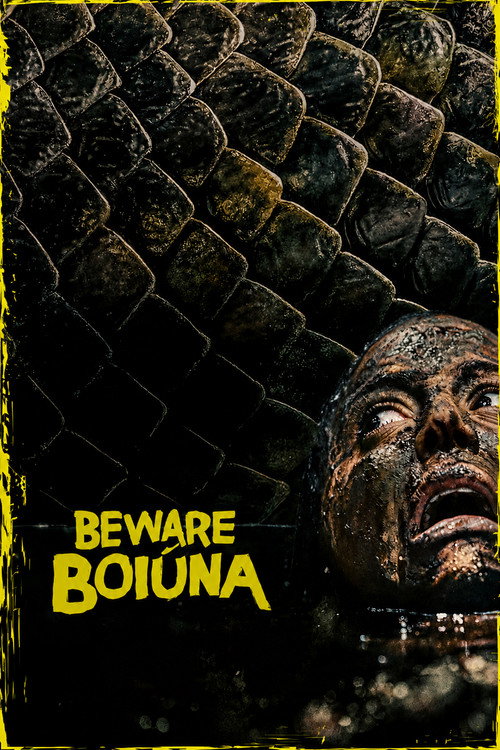
Beware Boiúna
Logan Marshall-Green's character represents human exploitation of the jungle — its destruction for profit — which is the inciting context for the team's encroachment. The Boiúna emerges acting on 'territorial imperative, reclaiming its domain,' a nature-as-agent response to human intrusion. The film's closing image — the jungle asserting that 'nature, not human intention, holds absolute authority' — frames the creature's attacks as nature correcting the imbalance caused by human activity.
Digger
Digger's drilling operation in Greenland directly causes an apocalyptic environmental disaster (cracking the ice shelf, dislodging a glacier) — an explicit causal link between industrial exploitation and catastrophic natural retaliation. The disaster is the inciting event that drives the entire plot. Both the narrative and characters explicitly frame it as a consequence of human industrial activity ('catastrophe of his own making'). Four signals present: environmental destruction as direct cause of the central threat, natural forces acting destructively, ecological collapse driving the plot, and explicit human-to-disaster causation.

Spider Island
Hotel construction directly disturbed subterranean cave systems, awakening the spiders — an explicit causal link between human environmental exploitation and the creature threat. The spiders 'regard the entire island as their territory,' signaling apparent intentionality against the human intruders. Environmental destruction is the stated origin of the central threat, and the ecological disruption drives the entire plot.
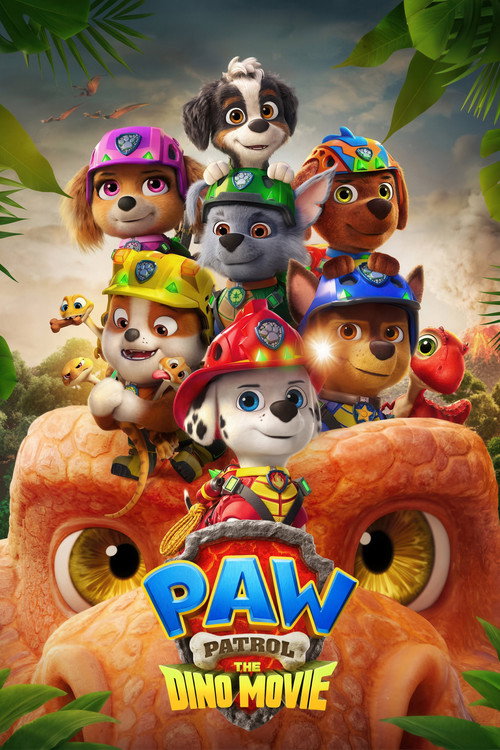
PAW Patrol: The Dino Movie
Humdinger's reckless mining operations on the island directly trigger a volcanic eruption — a textbook human-exploitation-causes-natural-catastrophe chain. All three core conditions are met: (1) human environmental exploitation (mining for profit), (2) catastrophic natural response (volcano eruption threatening all life), (3) explicit causal link ('destructive digging destabilises the island's geology'). Four signals fire clearly: environmental destruction as direct cause of central threat, ecological collapse driving the plot, characters implicitly connecting human activity to disaster, and the resolution explicitly framed as saving the ecosystem and endangered species. The fifth signal (nature acting with intentionality) is absent — the eruption is inadvertent, not a targeted retaliation.
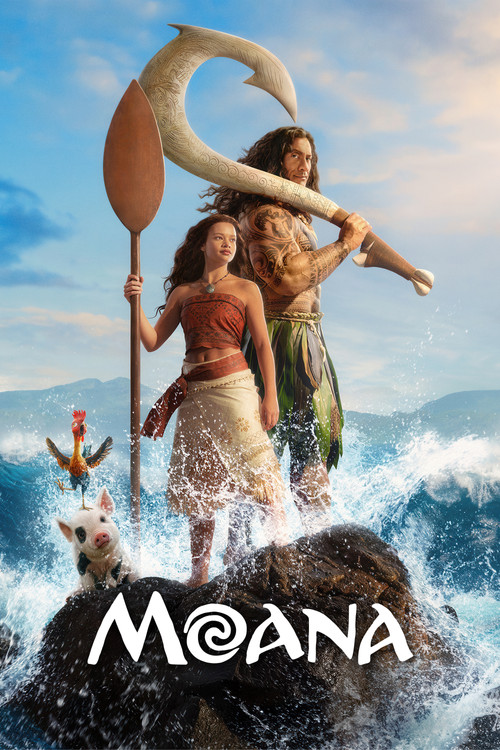
Moana
Maui's theft of Te Fiti's heart is framed as exploitation of nature that directly causes ecological collapse (fish dying, coconuts rotting on Motunui) and unleashes Te Kā. All five signals fire: the theft is the explicit cause of the crisis; Te Kā attacks with apparent intentionality; ecological collapse drives the entire plot; Grandmother Tala explains the causal chain to Moana; and resolution requires physically restoring Te Fiti, healing all darkened islands.
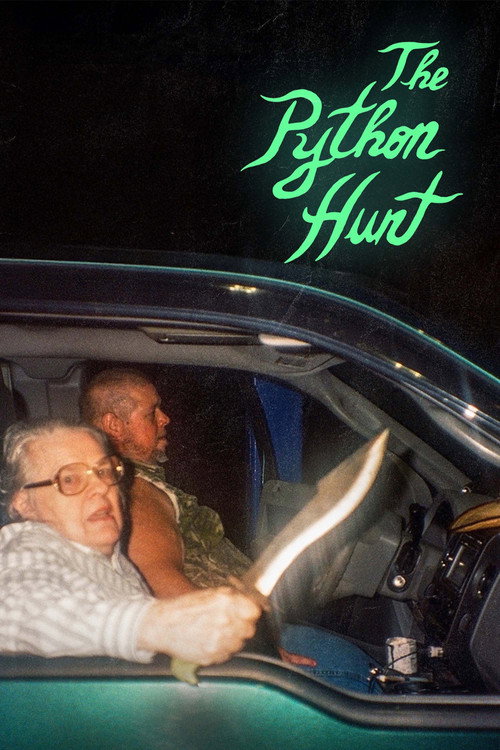
The Python Hunt
Humans accidentally released ~900 Burmese pythons into the Everglades in the 1990s (human exploitation/negligence as direct cause); the resulting 50,000–500,000 apex predators devastated native wildlife (ecological collapse driven by human action); Jimbo explicitly questions whether pythons are being scapegoated for 'far larger, man-made environmental failures,' directly connecting human activity to the disaster; the 209-python haul framed as a damning indictment of individual effort against systemic ecological collapse; the government hunt itself is an attempt at ecosystem restoration that falls short.

That Time I Got Reincarnated as a Slime the Movie: Tears of the Azure Sea
The Azure Sea is being corrupted by a creeping mysterious pollution (environmental destruction), and the shadowy conspiracy represents human-caused destabilization of the natural order. The threatened consequence — the Aqua Dragon, a guardian deity, being forcibly awakened — functions as nature's destructive retaliation against surface and undersea worlds. The causal chain is explicit: human conspiracy + pollution → ecological harm → guardian entity unleashed. Rimuru's mission is to stop the pollution and restore the natural balance, satisfying the 'resolution involves respecting/restoring nature' signal.
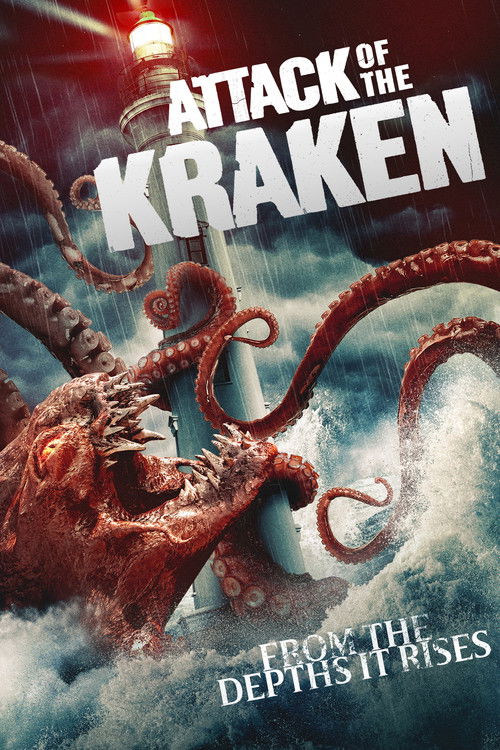
Attack of the Kraken
The Rocinater is a whaling vessel whose captain pursues the Kraken for profit — explicit environmental exploitation. The Kraken is not passive quarry but actively hunts the ship and crew in return, establishing a clear nature-retaliates causal link. The creature behaves with apparent intentionality against the humans who came to exploit it.
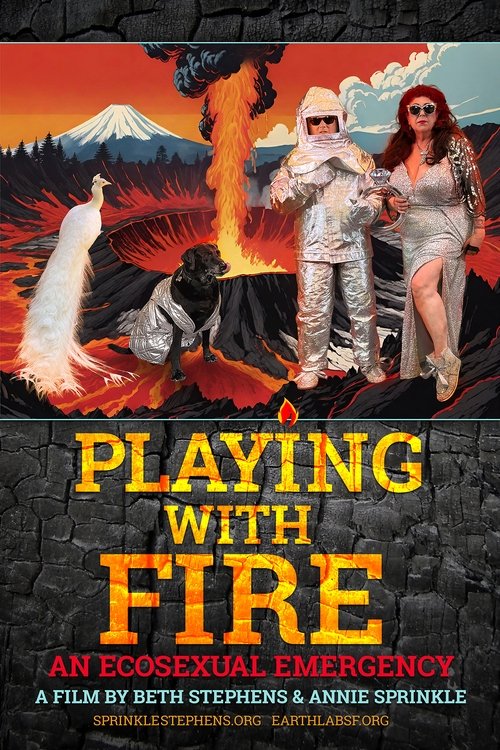
Playing with Fire: An Ecosexual Emergency
Human-caused climate crisis is explicitly named as the driver of worsening wildfires, establishing the causal link between environmental harm and natural catastrophe. The CZU Lightning Complex fire is the central destructive event that drives the entire narrative. The Indigenous scholar and filmmakers explicitly connect climate change to the disaster. The resolution — the Wedding to Fire and the ecosexual call to action — centers on respecting and re-embracing nature as the necessary response.

The Last Airbender
Zhao's killing of the Moon Spirit (a living koi that is part of the natural/spirit world) is the inciting catastrophe of the climax: it instantly strips waterbenders of their power. The ocean spirit retaliates by channeling through Aang to destroy the fleet. Iroh is horrified by the act, connecting Zhao's violation of nature to the disaster. Resolution requires restoring the spirit (Yue's sacrifice), framing respect for nature as the only path to healing.
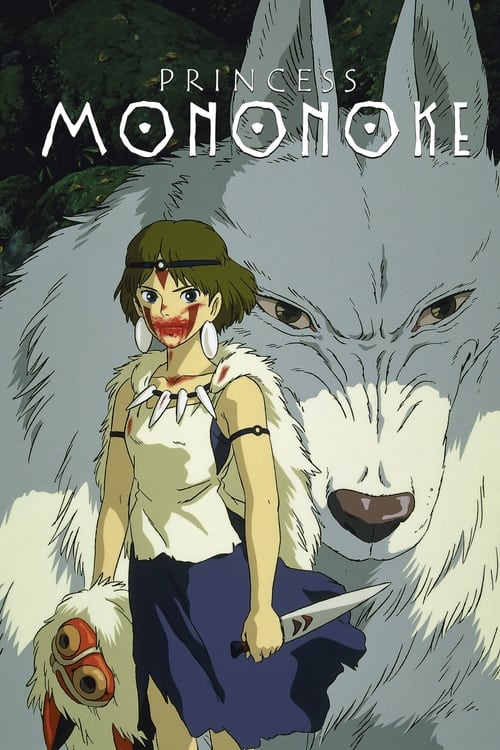
Princess Mononoke
Irontown's iron smelting destroys the forest; Eboshi's iron bullet directly corrupts Nago into a demon, triggering the entire plot. Forest gods (Moro, San, Okkoto) wage war on Irontown with clear intentional hostility. The Forest Spirit's beheading causes catastrophic ecological destruction — the headless body's black death-fluid consumes the land. Ashitaka explicitly learns the causal chain: iron bullet → demon god → curse. Resolution requires restoring the Forest Spirit's head, after which nature rapidly regenerates — respecting nature as the only remedy.

Jurassic Park
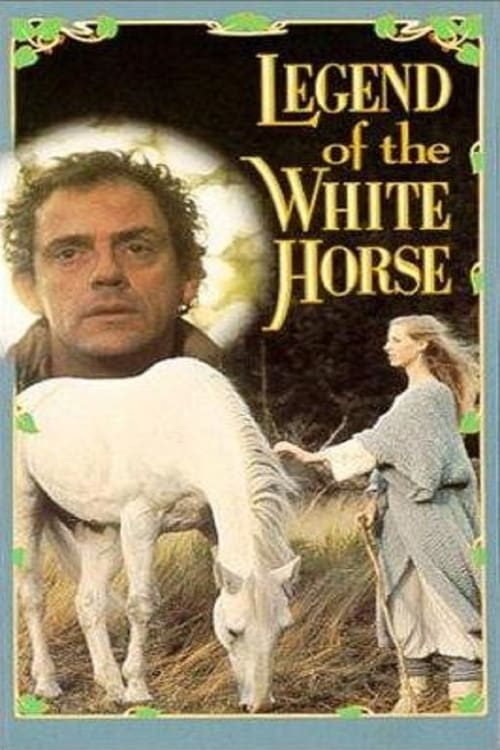
Legend of the White Horse
The mining project is the direct driver of the central conflict, and the dragon — explicitly framed as an embodiment of the natural world — transforms defensively when threatened. Jim's refusal to falsify the environmental report is the plot's moral hinge, explicitly connecting corporate exploitation to harm against the natural world. Nature (the dragon) behaves with intentionality against the humans who threaten it.